
Plants
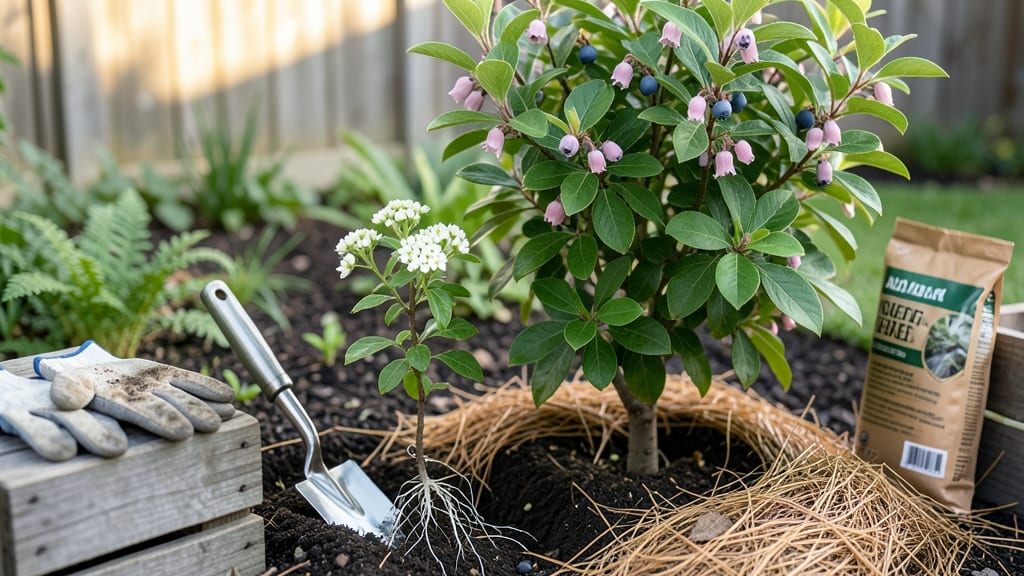
Planting blueberry bushes in NC at the right time means the difference between a bountiful harvest and years of waiting for fruit.
North Carolina’s unique climate makes timing your blueberry bush planting critical—plant too early, and frosts may kill young plants; too late, and your harvest could suffer. The secret? Understanding your zone’s chill hours and ideal soil conditions for maximum yields.
Most gardeners in NC’s 6a-8b zones get the best results by planting in late winter to early spring (February–April) or in fall (September–October), when soil is workable but not frozen. This gives roots time to establish before extreme heat or cold sets in.
Below, I’ll break down the exact chill-hour windows for your region, soil prep steps to boost acidity, and pro tips for transplanting bare-root or container-grown bushes—so you can start harvesting sweet, plump berries in just a few seasons.
Best planting months in NC by chill-hours zone (with exact dates)
North Carolina spans USDA zones 6b through 8a, creating distinct chill-hour requirements for blueberry bushes. These zones range from 300 to 1,000 chill hours, meaning your planting window depends heavily on where you live in the state.
For example, the mountains (zone 6b) need 800+ chill hours, while coastal areas (zone 8a) thrive with just 300-400 chill hours.
Blueberries need dormancy periods to produce fruit, so planting at the wrong time can delay or even prevent harvests. In NC, the ideal planting window is either late winter/early spring (February-April) or fall (September-October). However, the exact timing shifts based on your chill-hour zone and last frost date.
Here’s how to match your zone to the perfect planting window:
For zone 6b gardeners, planting in late March or early April ensures your bushes have time to establish roots before the first frost.
Meanwhile, coastal zone 8a gardeners can plant as early as mid-January with minimal frost risk. Fall planting (September-October) works across all zones, giving roots time to settle before winter dormancy.
If you’re unsure about your chill-hour zone, check with your local Cooperative Extension office or use a chill-hour calculator. For example, Asheville (zone 6b) needs 900+ chill hours, while Wilmington (zone 8a) only needs 350-400.
Planting the wrong variety can lead to poor fruit set or no harvest at all.
Pro tip: Bare-root blueberries should be planted in dormant season (late winter/early spring), while container-grown bushes can go in the ground in fall or early spring. Always water deeply after planting to reduce transplant shock, especially in dry spring months like April.
For early varieties like ‘Duke’ or ‘Premier’, plant in February-March to harvest in early June. Late varieties like ‘Bluecrop’ or ‘Tifblue’ can wait until March-April for a July harvest. The key is matching your chill-hour zone with the variety’s requirements.
One common mistake is planting too late in spring,
How to prepare your NC soil for blueberry bushes (pH, amendments, and drainage)
Blueberry bushes thrive only in acidic soil with a pH between 4.5 and 5.5. North Carolina’s native soils—especially in the Piedmont and Coastal Plain—are often too alkaline for these finicky shrubs.
Without proper prep, your bushes will struggle to absorb nutrients, leading to stunted growth or no fruit at all. The good news? With a few simple steps, you can transform your NC soil into a blueberry paradise.
Start by testing your soil’s pH using a home test kit or send a sample to the NC State Extension Service. Most garden centers sell affordable kits for under $15.
If your soil tests above 6.0, you’ll need to lower the pH using organic amendments like pine bark fines or sulfur. For clay-heavy soils common in NC, improving drainage is just as critical as acidity.
| Soil Requirement | Blueberry Needs | Other Acid-Loving Plants |
|---|---|---|
| pH Range | 4.5–5.5 | Azaleas: 4.5–6.0, Rhododendrons: 4.5–5.5 |
| Organic Matter | 5–10% | Blueberries need more than most plants |
| Drainage | Well-draining, no standing water | Camellias: tolerates slight wetness |
| Best Amendments | Pine bark fines, peat moss, sulfur | Compost + pine needles for azaleas |
| Mulch Type | Pine straw or wood chips | Same as blueberries |
To lower your soil’s pH, mix in 3–4 inches of pine bark fines or peat moss into the top 12 inches of soil. For faster results, add elemental sulfur (1–2 pounds per 100 square feet) and water thoroughly.
Re-test your soil in 2–3 months—blueberries are picky, and you’ll need to maintain that 4.5–5.5 pH range year after year.
NC’s clay soils can be a nightmare for drainage, but you can fix this by amending with compost and coarse sand (50/50 mix). For container-grown bushes, use a blend of 50% peat moss, 30% pine bark fines, and 20% perlite.
If your yard has poor drainage, consider planting on a slight mound to prevent root rot—a common killer of blueberry bushes in wet NC winters.
Once your soil is prepped, cover the planting area with 3–4 inches of pine straw mulch. This keeps the soil acidic, retains moisture, and suppresses weeds. Avoid using hardwood mulch, which can raise the pH over time.
With the right soil conditions, your blueberry bushes will thrive—and you’ll be harvesting juicy, homegrown berries in just a few seasons.
Pro tip: If you’re planting in fall (September–October), time your soil amendments for 4–6 weeks before planting. This gives the pH time to stabilize before the roots establish. For spring planting (February–April), amend the soil in late winter to avoid disturbing roots later.