
Companion Plants
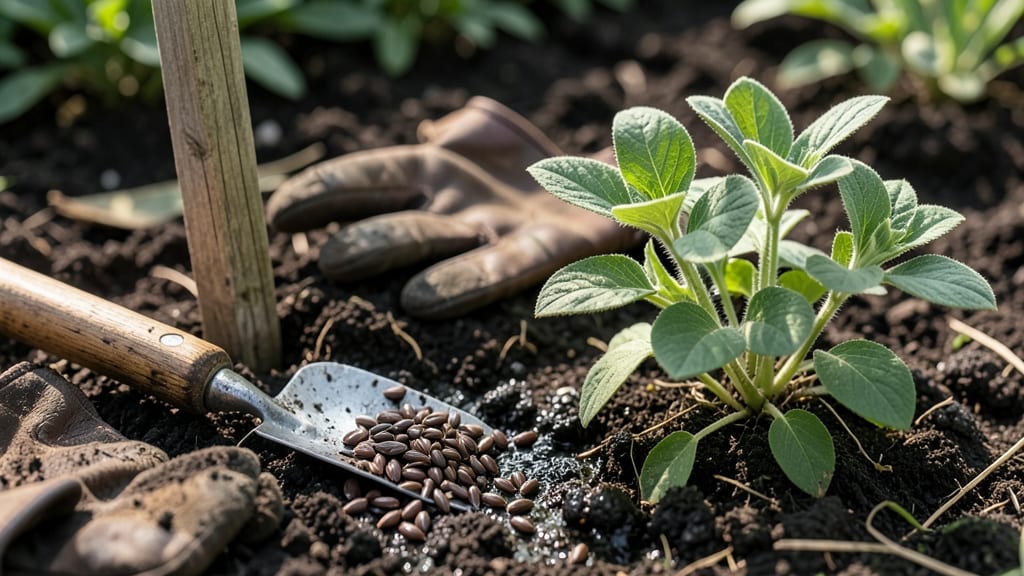
Plant buckwheat in Pennsylvania when soil temperatures hit 60°F and after your last frost—typically late May to early June for most of the state.
Buckwheat isn’t just a staple in Asian cuisine—it’s a powerhouse cover crop that suppresses weeds, boosts soil fertility, and grows faster than most gardeners can say "harvest." But timing is everything in Pennsylvania’s unpredictable climate.
Plant too early, and frost will stall growth; too late, and your cover crop won’t mature before winter sets in.
In USDA zones 5b-7a, buckwheat thrives in summer’s warmth, but it needs to establish roots quickly to outpace weeds.
That means waiting until the ground is reliably thawed and your local frost-free date has passed—usually around May 15 in the southern part of the state and a week later in the north.
Below, I’ll break down the exact window for your region, how to adjust for elevation, and the one trick that ensures your buckwheat grows fast enough to lock in those soil benefits before the first frost.
Best planting months for buckwheat in Pennsylvania’s climate zones
Pennsylvania’s diverse climate—from the cool mountain valleys of the Poconos to the humid coastal plains near Philadelphia—means buckwheat planting windows vary by USDA zone 5b to 7a.
In Zone 5b (e.g., Scranton, State College), aim for late May to early June to avoid frost damage, while Zone 7a (e.g., Pittsburgh, Harrisburg) can start as early as mid-April for early-season growth. The key is planting when soil temperatures hit 60°F+ and frost-free days stretch to 45+ days.
Buckwheat thrives as a summer cover crop or late-season green manure. For fall harvest (grain or biomass), plant by July 15th in most of PA to ensure maturity before first frost (typically mid-October).
In Zone 6 (e.g., Lancaster, Allentown), you’ve got a 3-week buffer—plant by August 1st for winter soil protection instead.
Here’s how PA’s microclimates break down for buckwheat success:
In Zone 7a, like Philadelphia or Chester County, you can push the envelope with early April plantings if you use row covers to protect seedlings from late frosts.
However, buckwheat hates soggy soil—amend clay-heavy areas with compost or sand to prevent rot. For Zone 5b gardeners, focus on June plantings to maximize the 90-day growing window before frost.
Pro tip: Use PA’s frost-free date calculator (from Penn State Extension) to pinpoint your exact window. For example, Harrisburg’s average last frost is April 20th, but Wilkes-Barre’s is May 5th—a 15-day difference that matters for buckwheat’s speedy growth.
Plant 4–6 weeks before your first expected frost for a fall harvest, or after July 15th for winter soil protection.
Buckwheat’s fast germination (5–7 days) and quick maturity (30–60 days) make it perfect for gap filling or succession planting. If you miss the primary window, don’t despair—late August plantings can still produce biomass for winter mulch, though grain yield will be minimal.
Just avoid planting after September 1st in most of PA, as the cool nights slow growth too much.
Regional variations also affect pest pressure. In humid southeastern PA, watch for powdery mildew—space plants 12–18 inches apart and water at the base to avoid leaf wetness. Meanwhile, drier western PA may need supplemental irrigation during July heatwaves to keep buckwheat on track for harvest.
Always test soil moisture before watering; buckwheat is drought-tolerant once established but won’t forgive waterlogged conditions.
For companion planting, buckwheat pairs well with corn, squash, and beans to improve nitrogen fixation. However, avoid planting near slow-growing perennials like asparagus or rhubarb—buckwheat’s aggressive growth can smother them.
If you’re using buckwheat for wildlife habitat, delay planting until late June to provide late-season nectar for pollinators like bees and butterflies.
Remember: Buckwheat’s
How to time buckwheat planting for maximum soil benefits
Buckwheat’s superpower is its rapid growth, but in Pennsylvania’s variable climate, timing your planting window correctly determines whether it becomes a weed-suppressing hero or a wasted effort.
The key is planting 4-6 weeks before your first frost—this ensures it matures before winter sets in, allowing it to suppress weeds and improve soil structure.
For most of Pennsylvania, this means targeting late July to early August for a fall cover crop. However, if you’re aiming for summer weed suppression, plant in early June when soil temperatures consistently stay above 60°F.
The challenge? Pennsylvania’s USDA zones 5b-7a create microclimates where frost dates can vary by 2-3 weeks.
- Step 1: Check your USDA zone and find your average first frost date (e.g., October 15 in zone 6, October 25 in zone 7). Use the PA State Climate Office for local data.
- Step 2: Plant 4-6 weeks before frost—for zone 6, that’s late July to early August; for zone 7, aim for early to mid-August.
- Step 3: Adjust for elevation: Higher elevations (e.g., Poconos) may need planting 2 weeks earlier than lower areas (e.g., Philadelphia).
- Step 4: For winter soil protection, plant late August to early September—this ensures roots establish before hard frost.
- Step 5: Use a soil thermometer to confirm temperatures are above 60°F before sowing.
If you’re in southern PA (zones 6b-7a), like near Harrisburg or Lancaster, you can push planting to mid-August for a late fall cover crop.
But in northern PA (zones 5b-6a), such as the Erie region, stick to late July to avoid early frosts cutting the season short.
Pro tip: Buckwheat grows best in full sun and well-draining soil, so prepare your beds by removing weeds and loosening the top 6 inches of soil. If your garden soil is compacted or heavy clay, mix in compost or aged manure to improve drainage—buckwheat hates soggy roots.
Once planted, buckwheat will bolt in 30-45 days, so timing is critical. If you miss the window, consider winter rye as an alternative cover crop for late fall planting. But for buckwheat’s fastest growth and soil benefits, stick to these PA-specific deadlines.
Remember: Buckwheat’s dual purpose—summer weed control or winter soil protection—depends entirely on when you plant. Get it right, and you’ll have a lush, weed-free garden next spring. 🌾