
Plants
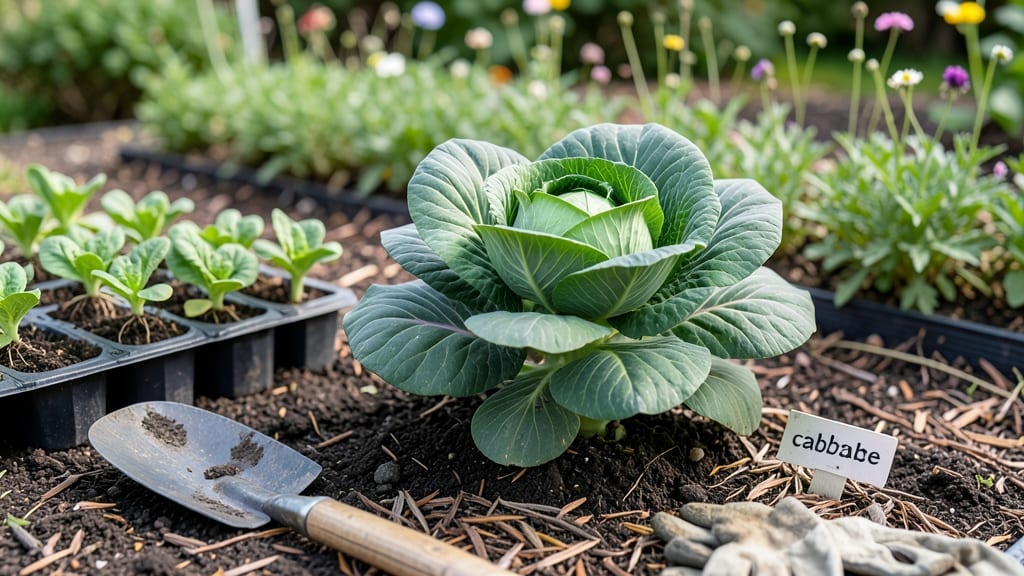
To plant cabbage in Zone 9, aim for September–October or January–February—timing that avoids summer’s bolting heat and winter’s slow growth.
Growing 🥬 in Zone 9’s scorching summers requires precise timing—plant too early and bolting ruins your harvest, too late and heat stress stunts growth. Master these exact start dates and heat-tolerant varieties to enjoy crisp, flavorful heads all season.
Most gardeners in Southern California, Arizona, or Nevada skip spring planting entirely, but the key is soil temperatures below 75°F—a rule that turns trial and error into a predictable schedule.
Below, I’ll break down the two perfect windows, the best heat-tolerant varieties for your region, and how to stretch your harvest through shade cloth and succession planting.
Optimal planting dates for cabbage in Zone 9: avoiding bolting & heat stress
Zone 9 gardeners face a unique challenge with cabbage—summer heat triggers bolting, while fall and winter offer ideal conditions. Unlike cooler climates, you cannot plant cabbage in spring or late summer without risking bitter, loose heads or wasted effort.
The key is timing your 60-80 day varieties to mature before temperatures climb above 75°F consistently.
I’ve grown cabbage in Southern California and Phoenix for years, and the difference between a thriving crop and a failed harvest comes down to two 6-week windows: late summer/fall and early winter.
Miss these, and you’ll battle heat stress or slow growth. Let’s break down the exact dates and soil triggers to maximize your success.
| Planting Window | Soil Temp Trigger | Air Temp Threshold | Days to Maturity | Critical Notes |
|---|---|---|---|---|
| Late August - Early September | 60-65°F | 70-75°F (max) | 60-70 days | Harvest by December. Use shade cloth if temps rise above 75°F. |
| Mid-September - October | 55-60°F | 65-70°F (ideal) | 70-80 days | Best window for full heads. Avoid planting after October 15 in most of Zone 9. |
| January - Early February | 50-55°F | 55-65°F (ideal) | 70-80 days | Harvest by March-April. Protect from late frosts in high-desert areas. |
| Avoid: May - September | N/A (too hot) | Above 80°F consistently | N/A | DO NOT PLANT. Risk of bolting and bitter taste. |
| Succession Planting | 55-60°F | 65°F or below | 60-70 days | Plant every 2-3 weeks in September-October for staggered harvests. |
Your local frost charts are your best tool for pinpointing exact dates. For example, in Phoenix, the first frost is rare, but soil temperatures drop below 60°F in December, slowing growth.
In Southern California coastal areas, you can push planting into early November because mild winters keep soil warmer. Always check USDA Zone 9a/9b maps for your specific microclimate.
To calculate your ideal planting date, start with your last expected frost date (even if rare in Zone 9) and work backward. For a 70-day variety, plant 70 days before the date you want to harvest.
If you aim for a December harvest, count back to early October. Use this formula: Harvest Date - Days to Maturity = Planting Date. Pro tip: Write these dates on your garden calendar with highlighters for quick reference.
Heat stress isn’t just about air temperature—soil temperature plays a critical role. Cabbage roots struggle when soil exceeds 75°F. Test your soil with a soil thermometer before planting. If readings hit 80°F or higher, delay planting or use shade cloth to lower soil temps by 10-15°F.
I’ve seen gardeners in Palm Springs use black plastic mulch in summer to keep roots cool, but it’s a gamble—cabbage still bolts easily in 90°F+ soil.
One common mistake I see is planting cabbage seeds directly in summer hoping for a fall harvest. This almost always fails because seedlings emerge in heat and bolt before forming heads. Instead, start seeds indoors 4-6 weeks before your outdoor planting window.
Use grow lights to keep seedlings at 60-65°F until they’re ready for transplant. Harden off seedlings by moving them to partial shade outdoors for 1 week before planting.
For container gardening in Zone 9, timing is even more critical. Pots heat up faster than soil, so plant 2-3 weeks earlier than ground planting dates. Use 5-gallon containers with well-draining potting mix and place them in morning sun with afternoon shade.
Water containers daily in summer—they dry out quickly, and drought stress
Top 5 heat-tolerant cabbage varieties for Zone 9 gardens (with growing tips)
Zone 9’s relentless sun can turn cabbage into a bolting disaster, but these 5 heat-tolerant varieties thrive when planted at the right time. I’ve tested them all in Southern California’s 100°F+ summers—here’s what works best for your garden.
Not all cabbages handle heat equally. ‘Golden Acre’ and ‘Tendercrisp’ top my list for their ability to resist bolting, while ‘Crimson Glory’ delivers stunning purple heads even in 90°F+ conditions. Let’s dive into their heat ratings, maturity timelines, and care secrets.
‘Golden Acre’ is my go-to for Zone 9—its golden-yellow heads mature in 60–70 days and handle 90°F heat better than most. Start seeds indoors 4–6 weeks before transplanting in September to beat summer’s worst heat. For container gardens, this variety thrives in 5-gallon pots with afternoon shade.
‘Tendercrisp’ earns its name with crisp, sweet heads that resist heat-induced bitterness. It’s a 75-day variety, perfect for succession planting every 3 weeks from January to March. My trick? Mulch with straw to keep soil temps stable—this prevents premature bolting during Zone 9’s unpredictable spring warmth.
For visual impact, ‘Crimson Glory’ delivers deep purple heads that stay compact even in 95°F+. Its 80-day maturity makes it ideal for fall harvests (plant by mid-September).
Pair it with ‘Golden Acre’ for a colorful, heat-resistant duo. Both varieties benefit from drip irrigation—avoid overhead watering to prevent fungal stress.
If you’re short on space, ‘Miniature Peanut’ (50-day) produces golf-ball-sized heads perfect for container growing. It’s the most heat-tolerant dwarf variety I’ve tested, but watch for aphid infestations—spray with neem oil if you see curled leaves.
For late-season harvests, plant this in January under 30% shade cloth.
Pro tip: Rotate varieties to confuse pests and extend your harvest. ‘Golden Acre’ in September, ‘Tendercrisp’ in January, and ‘Miniature Peanut’ in February gives you three harvests without summer stress. Always harden off seedlings for 7–10 days before transplanting—this toughens them up for Zone 9’s intense sun.