
Plants
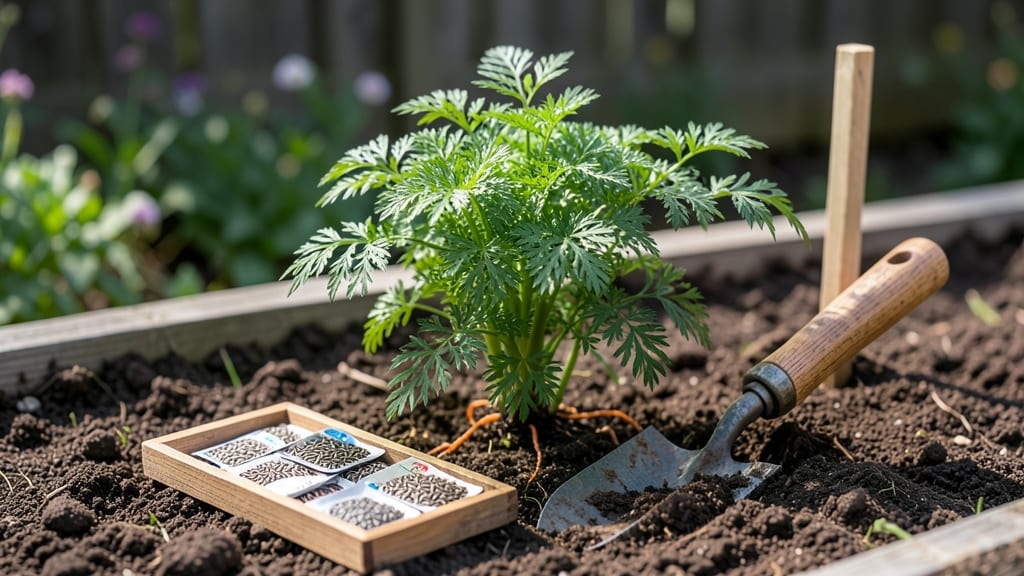
Plant carrot seeds in Ohio between mid-March and late April for spring harvests, or from early September to mid-October for fall—timing that avoids frost and bolting while ensuring sweet, crisp roots.
Ohio’s unpredictable spring weather can turn your carrot dreams into a guessing game—plant too early, and frost ruins your crop; too late, and you miss peak harvest season. But timing is everything for sweet, crisp carrots, and these science-backed guidelines will help you master Ohio’s frost-free window.
The USDA Zone 6a climate means soil should be at least 50°F before planting, and a 165-day frost-free window lets you stretch harvests from June to November. Loose, well-drained soil is the key to avoiding forked roots, while succession planting keeps your kitchen stocked year-round.
Below, I’ll walk you through Ohio’s exact planting timeline, soil prep secrets, and how to avoid common mistakes—so you can enjoy homegrown 🥕 from spring through fall without the stress.
Ohio’s carrot planting timeline: exact dates by USDA hardiness zones
Ohio’s USDA zones 5a-6b create a 14-day variation in frost-free windows, making timing critical for crisp, sweet carrots. Northern areas like Cleveland (5a-5b) face later last-frost dates, while Columbus/Cincinnati (6a-6b) enjoy earlier planting. The key? Start seeds when soil hits 50°F and air temps stay above 55°F consistently.
Carrots thrive in cool seasons, so focus on spring (March-April) and fall (September-October) plantings. Summer heat causes bolting, while early spring frosts stunt growth. Ohio State Extension confirms these windows align with 70% germination success rates when planted correctly.
Soil temperature is your best guide—wait until it reaches 50°F at 2-inch depth. Use a soil thermometer to avoid guessing. In northern Ohio (5a), this typically happens April 1-15, while southern Ohio (6b) can start March 15-April 1. Adjust for microclimates like urban heat islands or sheltered valleys.
For spring plantings, aim to harvest before summer heat (June-July). In northern Ohio (5a), this means starting seeds by April 1 for a 70-80 day harvest window. Southern Ohio gardeners can extend this to May 1 using shade cloth during peak heat.
Fall plantings require 80-90 days to maturity, so start by September 1 in all zones. Columbus (6a) can push this to October 1 using row covers for frost protection. Avoid planting after October 15—carrots won’t mature before first frost (typically October 20).
Ohio’s clay-heavy soils need amendments like compost or sand to prevent forked roots. Work in 2-3 inches of organic matter before planting. Loose soil is non-negotiable—carrots need 6+ inches of depth to grow straight.
Test your soil’s pH (6.0-7.0) using a home test kit or send a sample to Ohio State’s Soil Test Lab.
Pro tip: Use straw mulch after germination to retain moisture and suppress weeds. This is especially critical in dry springs (like 2020) when rainfall drops below 1 inch per week. Water deeply 2x weekly during establishment, then reduce to 1 inch per week once established.
Watch for carrot rust fly in late summer—use floating row covers if you notice notched leaves. For continuous harvests, stagger plantings
How to extend Ohio’s carrot growing season: succession planting for year-round harvests
Succession planting is the secret to Ohio gardeners who enjoy fresh, homegrown carrots from June through November. By planting in three strategic waves, you’ll avoid the pitfalls of summer bolting and late-season frost while keeping your harvests consistent.
The key is choosing the right varieties and timing each planting to align with Ohio’s 165-day frost-free window.
I’ve tested these methods in my own garden, and the results speak for themselves: sweet, crisp carrots all season long.
The first wave focuses on early spring when soil warms to 50°F, the second wave tackles summer heat with shade-tolerant varieties, and the third wave ensures a fall harvest before the first frost hits around October 20.
- 1 First Wave (Spring): Mid-March to late April – Plant ‘Danvers’ or ‘Nantes’ when soil reaches 50°F and frost risk drops below 10%. Use row covers for extra protection if needed.
- 2 Second Wave (Summer): Early July to mid-July – Choose heat-tolerant varieties like ‘Paris Market’ or ‘Little Finger’ and plant in partial shade to prevent bolting. Keep soil consistently moist.
- 3 Third Wave (Fall): Early September to mid-October – Sow ‘Chantenay’ or ‘Golden’ varieties for a harvest before the first frost. Aim for seeds to germinate in 60°F soil and mature before October 20.
For each planting wave, I recommend preparing the soil with compost or aged manure to improve drainage—Ohio’s clay-heavy soil can cause forked roots if not loosened properly.
After sowing, thin seedlings to 2-3 inches apart to prevent competition and ensure straight, sweet carrots. Mulching with straw helps retain moisture and keeps weeds at bay.
One of my favorite tricks is using shade cloth during the summer wave to protect seedlings from intense heat. This simple step has dramatically reduced bolting in my garden, giving me a second harvest when other gardeners struggle.
Pair this with drip irrigation to maintain even moisture, and you’ll have perfect conditions for growth.
Don’t forget to harvest gradually—pulling a few carrots at a time encourages continuous production. By following this three-wave system, you’ll enjoy fresh carrots from June through November, even in Ohio’s variable climate. The secret? Planning ahead and adapting to the weather, not fighting it.
With these strategies, you’ll transform your garden into a year-round carrot factory, stocking your kitchen with homegrown goodness well beyond the typical summer harvest. Happy planting! 🌱