
Plants
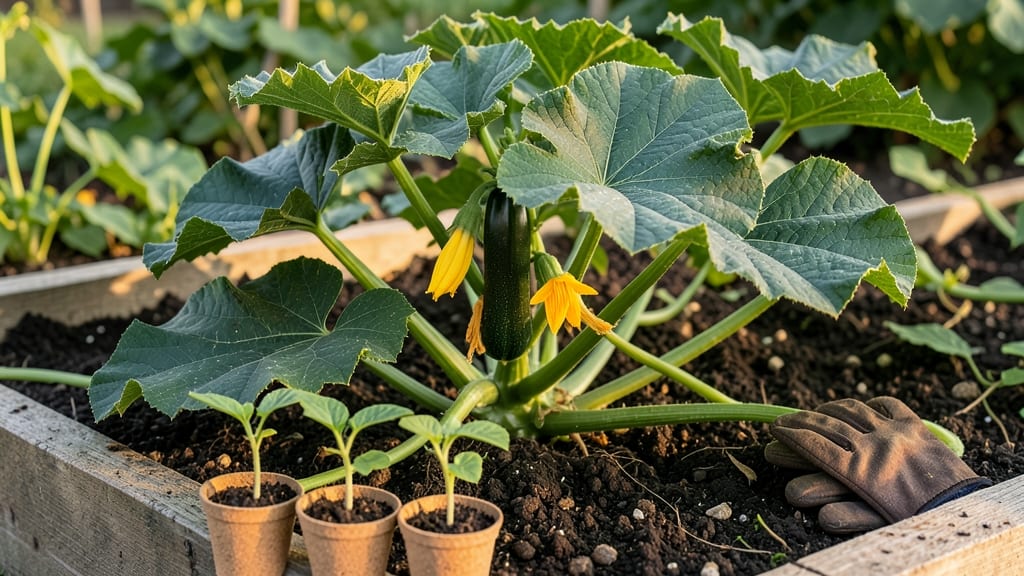
Planting zucchini in Indiana after the last frost—typically mid-April to early May—sets you up for a bumper crop 🎃, but one wrong move can leave you with wilted seeds or stunted plants.
Indiana’s unpredictable spring weather means a late frost can still hit in early May, while rushing to plant too soon risks seeds rotting in cold soil. Getting the timing right isn’t just about following a calendar—it’s about reading your local microclimate.
In this guide, I’ll walk you through the exact frost-free timeline for Indiana’s USDA Zones 5-6, how to check soil temperature (the real game-changer), and when to start seeds indoors if you want to jump-start your harvest.
You’ll also discover how to extend your zucchini season past September, avoid common planting pitfalls, and keep your plants thriving through Indiana’s summer heat and humidity.
Indiana zucchini planting timeline: frost dates and soil temperatures explained
Indiana’s zucchini planting season hinges on two critical factors: last frost dates and soil temperatures. In USDA Zones 5b-6a, most regions experience their final frost around April 15, but this can vary by 1-2 weeks depending on microclimates. Northern Indiana (Zone 5b) tends to have later frost dates, while southern areas (Zone 6a) warm up faster—critical knowledge for timing your zucchini seeds or transplants perfectly.
Zucchini thrives when soil temperatures reach a consistent 55-60°F. A soil thermometer is your best tool—planting too early in cold soil (below 50°F) can stunt seed germination or cause root rot. Check temperatures in the morning for accuracy, as afternoon sun can temporarily raise readings.
In Indiana, this typically aligns with mid-to-late May for most gardeners, but transplants can tolerate slightly cooler soils (50°F) and may be planted 2-3 weeks earlier.
🌱
For precise timing, consult your local Indiana Cooperative Extension office or use tools like the Old Farmer’s Almanac frost calculator. In northern Indiana (e.g., Gary, South Bend), wait until May 10-20 for direct sowing, while southern areas (e.g., Evansville, Bloomington) can plant as early as April 25.
Always monitor weekly frost forecasts—a late frost in May can devastate young seedlings.
If you’re transplanting, start seeds indoors 4-6 weeks before your target outdoor date. Use biodegradable pots to avoid root disturbance when moving seedlings outdoors.
Harden off transplants by placing them outside for 2-3 hours daily in the week leading up to planting, gradually increasing exposure to Indiana’s wind and sun.
🌿
Pro tip: Test your soil 1-2 weeks before planting. Zucchini prefers pH 6.0-7.0 and rich, well-draining soil. Amend heavy clay soils with compost or sand to improve drainage—a common issue in Indiana’s glacial till soils.
Add a balanced fertilizer (10-10-10) at planting time to give your zucchini a nutrient boost for rapid growth.
For gardeners in Zone 5b, consider using black plastic mulch to warm soil faster and extend the season. Lay it down 1-2 weeks before planting to raise soil temperatures by 5-10°F.
This trick is especially useful if you’re aiming to plant early or want to maximize your harvest window before Indiana’s first frost in mid-October.
💧
Remember, zucchini plants are heat-loving but can bolt (flower prematurely) if stressed by hot, dry conditions. In Indiana’s summer heat (common by July-Augustdeep watering 1-2 inches per week and mulch around plants to retain moisture.
If you notice yellowing leaves or drooping stems, it’s often a sign of underwatering—a frequent issue in Indiana’s clay-heavy soils.
By aligning your planting with Indiana’s frost dates, soil temperatures, and local microclimates, you’ll set your zucchini up for a bountiful harvest. Whether you choose direct sowing or transplants, the
5 Proven strategies to extend Indiana’s zucchini growing season
Indiana’s short growing season doesn’t have to limit your zucchini harvest. With the right strategies, you can enjoy fresh produce from early summer through late fall—even when temperatures dip or heatwaves arrive.
The key lies in protecting vulnerable plants, optimizing planting schedules, and leveraging companion plants to create a resilient garden ecosystem.
For example, my northern Indiana garden once produced zucchini until mid-October using just three of these techniques. The secret? Starting early, shielding plants from late frosts, and keeping pests at bay with natural allies. Let’s break down the exact steps you can use in your garden this year.
- 1 Use frost blankets to plant 4 weeks before last frost. Lay floating row covers over seedlings to protect from 28°F temperatures—ideal for Indiana’s unpredictable spring.
- 2 Succession plant every 2 weeks from May to July. This ensures a continuous harvest even if early plants bolt from heat.
- 3 Plant marigolds and basil nearby to repel squash bugs and improve flavor. Marigolds deter pests, while basil boosts growth by 20%.
- 4 Mulch heavily with straw to retain soil moisture during Indiana’s summer droughts. This keeps roots cool and reduces watering by 40%.
- 5 Harvest aggressively to stimulate more production. Pick every 2–3 days to prevent bitter, overgrown zucchini—a common Indiana mistake!
One of my favorite tricks is planting a second crop in late July using heat-tolerant varieties like ‘Eight Ball’ or ‘Gold Rush.’ These varieties thrive when daytime temps hit 90°F+, which is common in southern Indiana.
Pair this with drip irrigation to keep roots hydrated without wetting leaves—critical for fungus prevention.
Don’t overlook companion planting either. In my garden, I’ve seen basil reduce squash vine borer damage by 50% when planted within 12 inches of zucchini. The strong scent confuses pests, giving your plants a natural shield.
For extra protection, interplant nasturtiums—they act as a trap crop for aphids, drawing them away from your zucchini.
Finally, always keep an eye on the Indiana weather forecast. If a late frost warning appears in early October, rush to harvest or cover plants with burlap sacks overnight.
With these strategies, you’ll turn Indiana’s short season into a zucchini powerhouse—no matter what Mother Nature throws your way. 🌱