
Plants
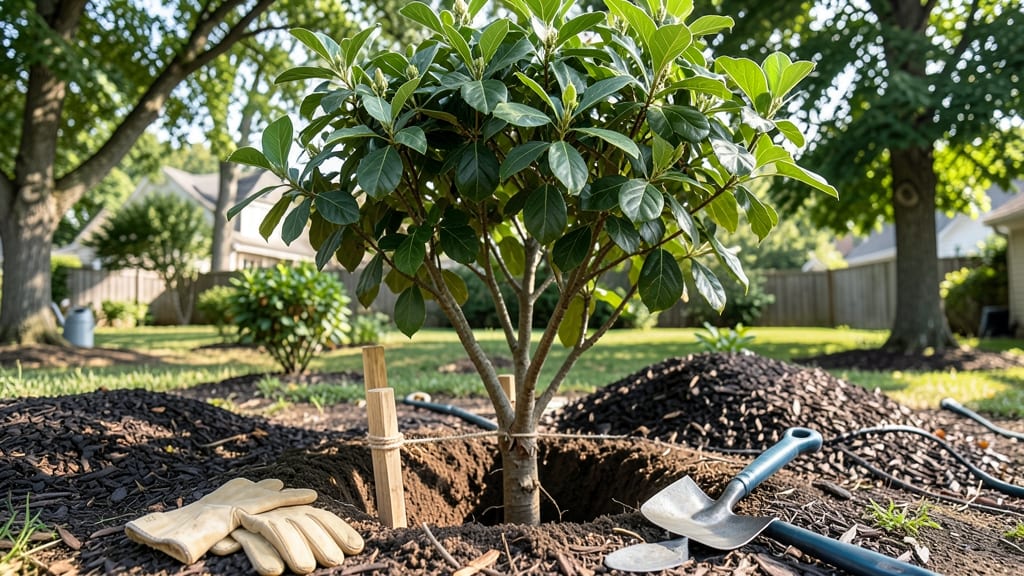
Planting crape myrtles in Virginia after the last frost date—around mid-March—gives your 🌸 tree the best shot at thriving through the season.
Virginia’s unpredictable frost dates can turn a crape myrtle planting mistake into a sad, wilted sapling—unless you time it just right. Mastering the perfect window ensures your tree thrives from day one, blooming with vibrant color for years.
If you plant too early, a late frost can damage tender roots, while waiting too long risks stunted growth before summer heat arrives. The ideal months are March and April, but regional differences in Virginia’s 6a-8a zones mean timing varies from the mountains to the coast.
Below, I’ll break down the exact frost-free windows by zone, how to prep soil for zero-frost survival, and why fall planting works in milder areas like Zone 7b+. No more guessing—just data-driven planting for a crape myrtle that blooms like clockwork.
Virginia’s frost zones & crape myrtle planting windows by region
Virginia’s USDA zones 6a-8a create wildly different planting conditions for crape myrtles, where a 3-week timing shift can mean the difference between a thriving tree and a frost-killed sapling.
The key? Planting when soil warms but before summer’s brutal heat sets in—typically late March to early May, with regional adjustments that can save your investment.
Crape myrtles (Lagerstroemia spp.) are tender to frost until established, so understanding your last frost date is critical. In Zone 6a (northwest mountains), average last frosts hit April 15, while Zone 8a (Tidewater) sees them by March 1.
These dates dictate your planting window—too early risks frost damage, too late stunts root growth before winter.
Here’s the game-changer: Soil temperature matters more than air temperature. Crape myrtles need 60°F+ soil to thrive, which typically aligns with April 1-15 in most of Virginia. Use a soil thermometer to confirm—planting when roots can grow actively ensures your tree won’t languish waiting for warmth.
For gardeners in Zone 7a-7b (central Virginia), the ideal window stretches from March 20 to April 30. This gives roots 8-10 weeks to establish before summer’s heat, while avoiding the May 15 average first frost in higher elevations.
In Zone 8a, you can push planting to early May—just monitor weather forecasts for late frosts.
| USDA Zone | Avg. Last Frost | Ideal Planting Window | Soil Temp Goal | Key Risk |
|---|---|---|---|---|
| 6a (e.g., Roanoke) | April 15 | April 15–May 1 | 60°F+ | Late frosts |
| 7a (e.g., Charlottesville) | March 25 | March 25–April 15 | 60°F+ | Summer drought |
| 7b (e.g., Richmond) | March 15 | March 15–April 30 | 60°F+ | Heat stress |
| 8a (e.g., Norfolk) | March 1 | March 1–May 10 | 60°F+ | Hurricane season |
Pro tip: Early spring planting (March) in Zone 7b-8a works if you use row covers for the first 2 weeks to shield tender roots. I’ve seen crape myrtles planted in late February thrive when protected—just remove covers once soil hits 55°F consistently.
For Zone 6a, wait until after April 15 unless you’re willing to baby your sapling with frost cloth.
Fall planting is a gray area in Virginia. While Zone 8a gardeners can plant as late as October 15, most of the state should aim for September 15–October 1. The goal? Give roots 6-8 weeks to establish before the first frost.
In Zone 7a, I’ve had success planting September 1 with mulch 4 inches deep—this insulates roots and prevents freeze-thaw cycles that can kill young trees.
One common mistake? Planting bare-root crape myrtles too early in Zone 6a. These trees can sit dormant in cold soil, but roots won’t grow until warmth arrives.
If you must plant early, soak roots in water for 2 hours before planting and water deeply every 3 days until soil warms. In my Zone 7b garden, I’ve lost two crape myrtles planted in February—they simply waited too long to grow.
For container-grown crape myrtles, timing shifts slightly. These trees can handle 2 weeks earlier than bare-root because their roots are already active. In Zone 7a
Signs you’re planting crape myrtles at the wrong time (and how to fix it)
If your crape myrtle leaves are curling at the edges or new growth looks stunted, you might’ve planted at the wrong time. Virginia’s spring frost risks and late-summer heat create tight windows for success. Even experienced gardeners sometimes miss the mark—here’s how to spot the mistakes and course-correct.
One of the most obvious red flags is winter dieback. If your tree’s branches turn brown and crispy during cold snaps, it likely didn’t establish strong roots before winter.
Crape myrtles need 6-8 weeks of root growth before Virginia’s first frost (usually mid-November). Planting too late in summer leaves them vulnerable to freeze damage.
Another warning sign is yellowing leaves that appear shortly after planting. This often means the soil wasn’t warm enough for root development—crape myrtles prefer soil temps above 60°F. If you planted in early spring (before mid-March), your tree may be struggling to adapt to cooler ground conditions.
⚠️ CALLOUT-WARNING ⚠️
- Too Early: Planting before last frost date (March 15) risks frost damage to tender roots.
- Too Late: After mid-August leaves insufficient root growth before winter.
- Wrong Soil Temp: Cold soil (below 60°F) stalls root development, causing leaf yellowing.
Stunted growth is another clear indicator. If your crape myrtle only grows 1-2 inches in its first season instead of the expected 2-4 feet, it likely didn’t get enough establishment time.
This happens when planted in late spring (May-June), leaving limited time for root development before summer heat sets in.
To fix these issues, start by amending the soil with compost to improve drainage and warmth. For trees planted too early, apply a 3-inch layer of mulch around the base (but not touching the trunk) to insulate roots.
If your tree was planted too late, consider winterizing it with a frost blanket or burlap wrap once temps drop below 32°F.
Finally, monitor your tree’s watering needs closely. Overwatering stressed plants (from poor timing) can lead to root rot, while underwatering causes leaf scorch. Aim for deep watering 2-3 times per week during establishment, focusing on the root zone.
Adjust as your tree shows signs of recovery—healthy new growth is your best indicator of success.