
Plants
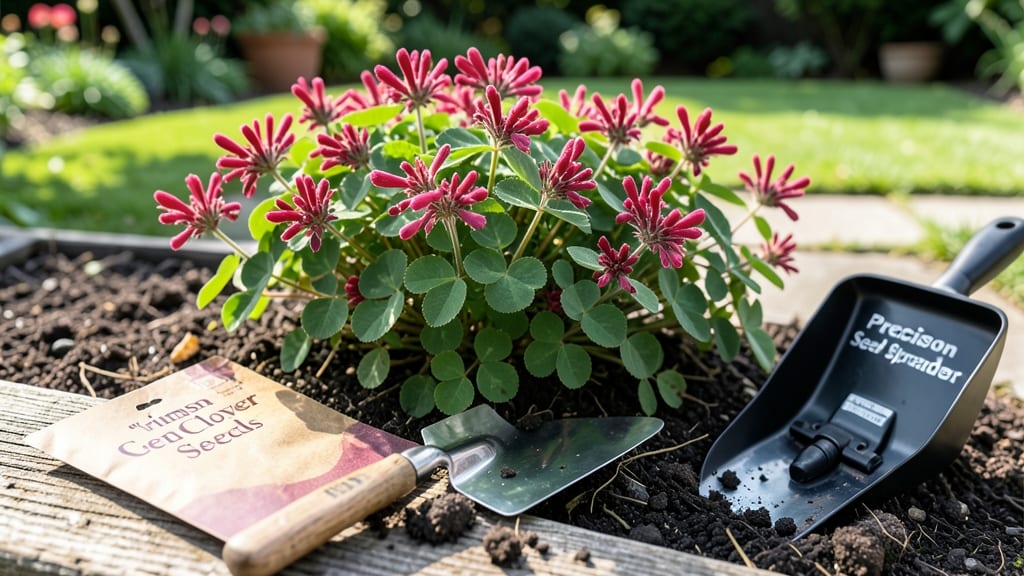
Planting crimson clover 🌸 in Tennessee at the right time makes all the difference between a thriving cover crop and a wasted seed investment.
Tennessee’s diverse climate demands precise timing for crimson clover planting—get it wrong, and you risk poor germination, weeds taking over, or wasted seed investment.
In USDA zones 6a-8a, the best windows are late summer to early fall, when soil temps hover between 50-60°F and frost isn’t lurking just weeks away.
Below, I’ll break down the exact months for your region, soil prep tips, and how to adjust for spring vs. fall planting—so you get the best results from your clover.
Optimal planting windows for crimson clover in Tennessee’s climate zones
Tennessee’s diverse microclimates create unique challenges for growing crimson clover. Whether you're in the cool East TN mountains or the warmer West TN Delta, timing matters more than seed variety.
The 50-60°F soil temperature threshold for germination means your planting window shifts dramatically between regions—get it wrong, and you’ll face slow establishment or weed competition. Let’s break down the perfect planting dates for each of Tennessee’s 7 climate zones.
Crimson clover thrives in fall planting across most of Tennessee, but spring planting can work in southern zones with milder winters. The key is planting 4-6 weeks before first frost to allow roots to establish before winter.
In Zone 6a (East TN), this means late August to early September, while Zone 8a (West TN) can extend planting until mid-October. Understanding these regional differences saves time, money, and frustration.
Soil temperature is your best friend when timing crimson clover. Use a soil thermometer to confirm 50-60°F at 2-inch depth—this is non-negotiable for germination. In East Tennessee’s high elevations, soils cool faster, so aim for early September planting. Meanwhile, Middle Tennessee’s plateau can wait until mid-September, and West Tennessee’s Delta often extends to late September or early October.
In East Tennessee’s mountainous regions (Zones 6a-7a), the cooling autumn air drops soil temperatures quickly. Plant crimson clover between late August and early September to ensure germination before first frost. Use a row cover if planting near the late-September deadline—this buys you 10-14 extra days of growth.
The Appalachian foothills (Zone 7a) can stretch planting until mid-September, but monitor soil temps nightly.
Middle Tennessee’s plateau region (Zones 7a-7b) offers the most flexibility for crimson clover. Target mid-September planting when soil temps hover around 58°F. This timing aligns with peak weed suppression and ensures 60-80 frost-free days for root establishment.
If you’re in Nashville or nearby, don’t wait past September 20th—soils cool rapidly after that. For organic
Spring planting vs. fall planting: which works better for Tennessee farmers?
Deciding between spring and fall planting of crimson clover in Tennessee can feel like choosing between two very different paths—each with its own advantages and challenges. For me, the best choice depends on your primary goals: maximizing yield, minimizing weed competition, or ensuring drought resilience.
In Tennessee’s variable rainfall and shifting temperatures, fall planting often emerges as the winner for most farmers. However, spring planting isn’t without its benefits, especially if you’re dealing with late frosts or heavy summer weeds.
Let’s break down the pros and cons of each approach so you can make an informed decision for your farm.
Spring Planting (April-May)
Pros
- Longer growing season for biomass production
- Easier weed control in early spring
- Better drought resilience if planted early
Cons
- Higher weed competition as temperatures rise
- Risk of late frost damage in East Tennessee
- Lower overwintering success if planted too late
Fall Planting (September-October)
Pros
- Better weed suppression before winter
- Improved overwintering success in most zones
- Earlier spring regrowth for forage
Cons
- Shorter establishment window before frost
- Potential for early fall drought in West TN
- Higher seed cost if planting fails
For most Tennessee farmers, fall planting between late September and early October offers the best balance of yield potential and weed control. The cooler temperatures reduce stress on young plants, while the longer daylight hours of fall help establish strong roots before winter.
However, if you’re in West Tennessee’s Delta region where early frosts are rare, spring planting in late April can give you a competitive edge. The extended growing season often results in higher biomass production, which is ideal for forage or soil improvement goals.
One critical factor I can’t overstate is soil moisture. Crimson clover struggles in dry conditions, whether planted in spring or fall. In Tennessee’s unpredictable climate, fall planting gives you a slight edge because autumn rains often provide the moisture needed for germination and early growth.
Ultimately, the best choice depends on your specific goals and local conditions. If you prioritize weed suppression and overwintering success, fall planting is your best bet. But if you’re aiming for maximum biomass and can manage weed pressure, spring planting might work better for your operation.