
Plants
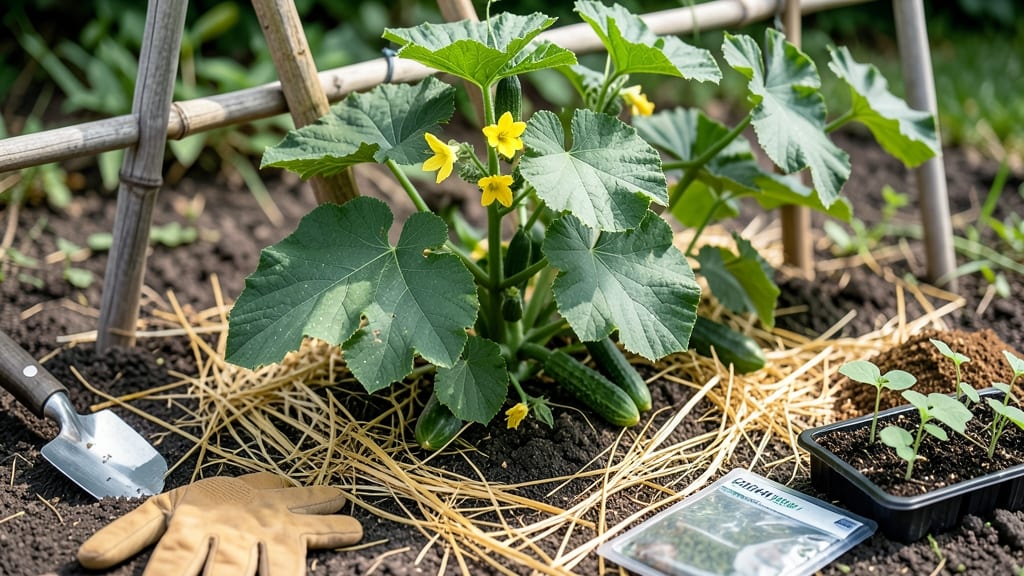
Plant cucumbers in Mississippi when soil temperatures hit 60°F and all frost risk has passed — typically mid-March for most of the state, but timing shifts with your microclimate.
Mississippi’s scorching summers and unpredictable heat waves can turn your 🥒 cucumber crop from thriving to tragic if you plant at the wrong time—but timing is everything for maximizing yields in this humid climate.
Too early, and a late frost will wipe out seedlings. Too late, and the heat arrives before the vines set fruit, leaving you with six-foot vines and nothing to harvest. The key? Planting in two waves—spring for early harvests and late summer for fall production.
Below, I break down the exact windows by region, the heat-resistant varieties that survive Mississippi’s summers, and how to protect your plants when temperatures climb above 90°F.
Optimal planting windows for cucumbers in Mississippi’s climate zones
Mississippi’s humid subtropical climate creates distinct growing zones, from the cooler hill country in the north to the hotter Delta region in the south.
Cucumbers thrive in warm soil temperatures (60-65°F), but timing varies by microclimate—plant too early, and frost risks linger; too late, and heat stress stunts growth.
Northern Mississippi (USDA Zones 7b-8a) has later last frost dates (around April 15), while the Gulf Coast (Zone 8a-9a) enjoys earlier planting (as soon as mid-March). The Delta region faces intense summer heat, requiring shade strategies and succession planting for continuous harvests.
Soil temperature is your best planting guide—use a soil thermometer to confirm 60°F+ before sowing. Seedlings can handle slightly cooler soil, but transplants need consistent warmth to avoid root shock. In clay-heavy Mississippi soils, amend beds with compost to improve drainage and water retention.
For slicing cucumbers, prioritize early spring plantings (March-April) to harvest before summer heat peaks. Pickling varieties like 'Boston Pickling' tolerate warmer conditions and perform well in succession plantings through July.
In the Delta, use row covers or trellises to shield plants from scorching sun during heat waves.
Mississippi’s long growing season (215 frost-free days) allows for two full harvest cycles if you stagger plantings. Start seedlings indoors in late February for transplanting after the last frost. Direct-sow seeds in late April for a summer crop, but monitor soil moisture—drought stress causes bitter fruit.
Fall plantings are risky in Mississippi due to hurricane season, but early September sowings can yield cool-season cucumbers if protected from late storms. Choose compact varieties like 'Spacemaster' for container gardening or small spaces, and always mulch heavily to retain moisture.
Pro tip: Test soil pH (ideal 6.0-6.8) before planting—Mississippi’s clay soils often need lime amendments. Succession plant every 2-3 weeks for continuous harvests, and harvest daily to prevent overripe fruit and pests.
Remember, Mississippi’s weather is unpredictable—keep backup row covers handy for unexpected cold snaps or heat waves. With the right timing and varieties, you’ll enjoy crisp, homegrown cucumbers from spring to fall!
How to survive Mississippi heat waves: cucumber varieties & shade strategies
Mississippi’s 90°F+ heat waves can turn your cucumber plants into wilted messes if you don’t act fast. The key is choosing the right heat-resistant varieties and giving them shade when temperatures spike.
I’ve grown cucumbers in this climate for years, and these strategies keep my vines producing even when the sun feels like a blowtorch.
When heat hits, cucumbers bolt—meaning they stop producing fruit and focus on flowering. The solution? Plant varieties bred for southern climates and use shade cloth or trellises to keep leaves cool. Let me show you the best options and how to implement them without breaking the bank.
⚠️ PROS-CONS BOX: SHADING STRATEGIES FOR CUCUMBERS
Shade Cloth (30-50%)
- Reduces leaf temp by 10-15°F
- Easy to install/remove
- Allows 60% sunlight through
- Requires sturdy frame
- Can trap humidity (fungus risk)
- Costs $20-$50 per 100 sq ft
Trellis + Dappled Shade
- Improves air circulation
- Reduces leaf disease risk
- Saves space (vertical growth)
- Needs strong support
- Limits ground mulching options
- Requires pruning for best results
Mulching (Straw/Grass Clippings)
- Keeps roots 10°F cooler
- Retains moisture (critical in heat)
- Suppresses weeds naturally
- Must be 3-4 inches thick
- Can attract pests if wet
- Needs replenishing monthly
For heat-resistant varieties, I recommend 'Southern Sweet 100'—it handles 100°F+ with ease and produces dark green, blocky cucumbers perfect for slicing. Another winner is 'Straight Eight', a classic pickling cucumber that thrives in Mississippi’s humidity.
Both tolerate heat better than standard varieties like 'Marketmore', which often bolt when temps exceed 90°F.
When transplanting after a heat wave, wait until evening and water deeply to help roots establish. Use drip irrigation to keep leaves dry—this prevents fungal diseases like powdery mildew, which flourish in Mississippi’s heat and humidity.
I’ve seen plants recover in just 3-5 days with proper care during these critical periods.
Watering is your next battle. Cucumbers need 1-2 inches of water weekly, but in heat waves, I switch to daily deep watering in the early morning. Avoid wetting leaves to prevent disease, and always check soil moisture by sticking your finger 1 inch deep—if it’s dry, water immediately.
Finally, don’t forget to harvest frequently! Picking cucumbers every 2-3 days encourages more production. When heat waves hit, I harvest even small cucumbers to prevent the plant from shutting down. With these strategies, you’ll enjoy fresh cucumbers from June through October, even when the mercury soars.