
Plants
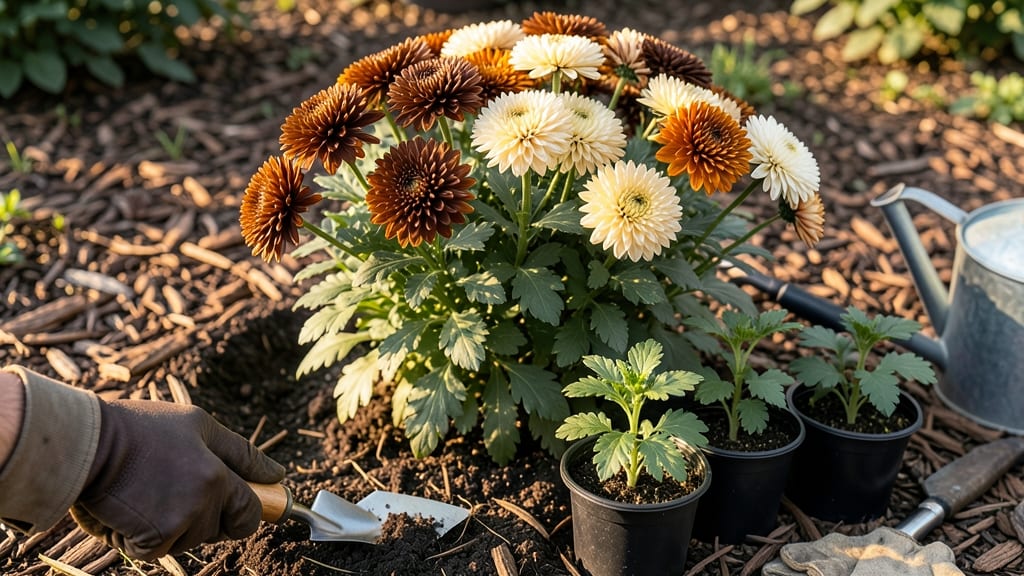
Planting fall mums 🌼 in ground about 4–6 weeks before your first frost is the secret to those showstopping blooms that last all autumn.
Picture this: you’ve just settled into your favorite sweater, the air smells like cinnamon, and your garden is still bursting with color—all because you timed those mums just right. But miss that window, and you’ll end up with weak roots or blooms that fade before Thanksgiving.
The good news? Your USDA zone determines the exact deadline, and I’ve got the breakdown for zones 3 through 11 so you never guess again.
Beyond the calendar, soil temperature and sunlight play starring roles. Too cold, and roots struggle to establish; too little light, and those vibrant blooms turn lackluster.
I’ll walk you through how to prep your soil, pick the perfect spot, and even adjust if you’re a late starter—because even last-minute gardeners can still pull off a stunning fall display.
By the end, you’ll know not just when to plant, but how to set them up for success—so your fall mums thrive from the first frost right through winter’s first chill.
Fall mum planting deadlines by USDA climate zones: exact dates for thriving blooms
Timing your fall mum planting is the secret to vibrant blooms that last through autumn's chill. Plant too early, and roots struggle in warm soil before cooler weather sets in.
Too late, and frost weakens growth before they establish. Your USDA zone determines the exact window—miss it by even a week, and you risk stunted plants or poor color.
In Zone 3-5, where winters are harsh, aim to plant 6-8 weeks before first frost—typically mid- to late July. Gardeners in Zone 6-8 have more flexibility, with ideal dates stretching from early August to mid-September.
Meanwhile, Zones 9-11 can plant as late as October, but watch for temperature drops below 50°F, which can stress young roots.
Regional quirks matter too. Pacific Northwest gardeners in Zone 7-8 often plant 2 weeks earlier than Deep South counterparts due to cooler coastal air. Conversely, Zone 9-10 desert climates may need to plant 3 weeks later to avoid premature blooming from heat stress.
Here’s your zone-by-zone planting schedule, including early, ideal, and late windows to avoid frost damage or weak growth:
For microclimate adjustments, consider your garden’s specific conditions. A south-facing slope warms faster and may support late planting, while shady spots or low-lying areas can delay planting by 1-2 weeks to avoid cold soil.
Use a soil thermometer to confirm root-zone temperatures—ideal soil temps for planting are 50-65°F, depending on your zone.
In Zone 3-5, prioritize hardy varieties like ‘Brigadoon’ or ‘Snowcap,’ which tolerate brief frost exposure better than tropical hybrids. Meanwhile, Zones 9-11 gardeners should opt for heat-tolerant types such as ‘Mediterranean’ or ‘Mophead’ mums, which handle warmer soil without bolting prematurely.
Watch your local frost date forecasts—even a light frost can damage tender new growth. If your zone’s late window clashes with an early frost, opt for container planting to delay ground exposure or use row covers for added protection.
After planting, mulch with 2-3 inches of straw to insulate roots and retain moisture. In Zone 6-8, a second feeding of balanced fertilizer (10-10-10) 4 weeks post-planting encourages robust blooms. Avoid late-season fertilizers, which promote soft growth vulnerable to frost damage.
Pro tip: Mark your planting dates on a garden calendar to track progress. If blooms appear before frost, enjoy their color—just expect them to fade faster. With the right timing, your fall mums will thrive until hard frost, delivering weeks of vibrant color that brightens autumn gardens.
3 Critical signs your fall mums are ready for ground planting (and when to delay)
Fall mums need perfect timing to thrive, and three key signs tell you when they're ready for ground planting. First, check the leaf color—healthy plants show deep green leaves with no yellowing. This indicates strong root systems and energy reserves for transplant shock.
Second, examine the root development by gently squeezing the root ball; roots should be white and firm, not mushy or circling tightly.
Finally, consult your local frost dates—planting too early in cool climates stresses mums, while waiting too long risks frost damage. For USDA Zone 6a (like my garden), I aim to plant 4-6 weeks before the first frost, typically mid-to-late August.
Marginal zones? Delay until after Labor Day for safety.
✅ 3 Signs Your Fall Mums Are Ready
- 🌿 Leaf Color: Deep green foliage with no yellowing or browning (avoid plants with 10%+ discoloration).
- 🌱 Root Development: Roots fill the pot with white, fibrous growth (no circling roots or black mushy spots).
- 🌡️ Soil Warmth: Soil temperature at 60°F+ (15°C+) at 4" depth (use a soil thermometer).
❌ When to Delay Planting
- 🌬️ Frost Forecast: Delay if nighttime temps drop below 50°F (10°C) within 7 days.
- 💧 Cold Soil: Soil colder than 55°F (13°C) slows root growth (test with your hand—should feel warm).
- 🌧️ Rainy Weather: Avoid planting in saturated soil (wait 24–48 hours after rain).
If your mums show yellowing leaves or circling roots, they’re not ready—prune damaged foliage and keep them in pots until conditions improve.
I once planted mums in 50°F soil and lost half my blooms to frost damage. Pro tip: Harden off container-grown mums by placing them outside for 2–3 hours daily for a week before transplanting.
For marginal zones (Zones 3–5), extend the season by choosing cold-hardy varieties like 'Autumn Beauty' or 'Balsam Pink.' These tolerate 20°F (-7°C) temps. In warmer zones (Zones 8–10), plant earlier (June–July) to avoid summer heat stress. Always mulch with 2–3 inches of straw after planting to insulate roots.
Troubleshooting common mistakes: Planting in cold soil causes root rot, while ignoring frost dates leads to bud drop. I learned this the hard way—my 2021 mums wilted overnight after a 32°F (0°C) frost hit two weeks post-planting. Now, I double-check forecasts and use row covers for late-season protection.
To test soil readiness, stick your finger 4 inches deep—if it feels warm to the touch, your mums are good to go. Pair this with a 7-day forecast for stable temps above 55°F (13°C).
For extra insurance, plant dwarf varieties in containers—they’re easier to move if frost threatens.