
Plants
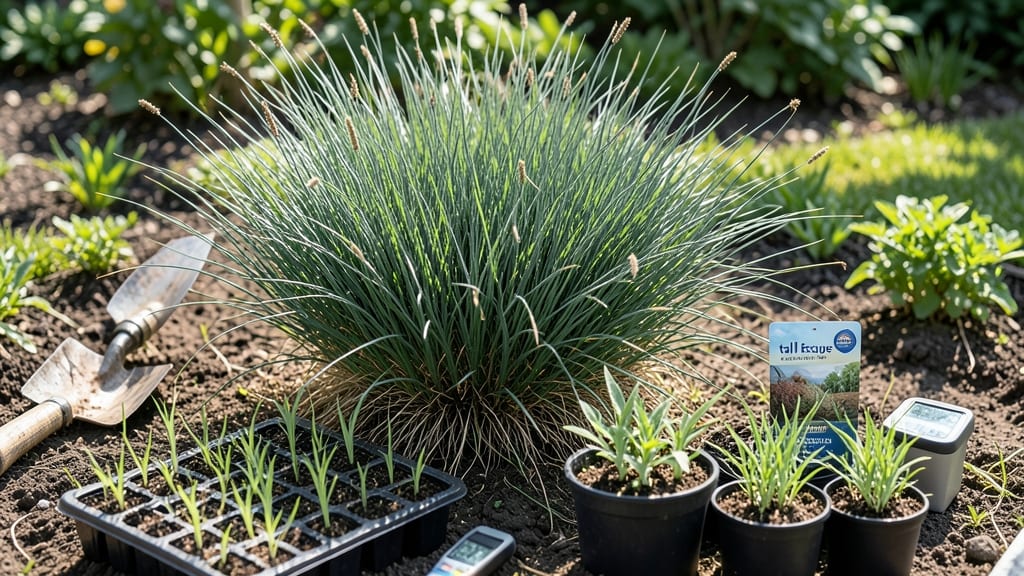
Planting fescue in Missouri at the right time is the key to a lawn that stays thick through summer droughts and winter freezes.
Missouri’s unpredictable weather can make timing your 🌱 fescue grass planting tricky—but getting it right ensures a thick, green lawn that outlasts summer heat and winter freezes.
Cool-season fescue thrives in Missouri’s USDA zones 5b-6a, but the best months to plant depend on whether you’re aiming for a late summer or fall lawn. Too early, and you risk drought stress; too late, and the roots won’t establish before winter.
Here’s how to nail the timing, from soil prep to post-planting care, so your Missouri lawn starts strong and stays that way for years.
Optimal Missouri fescue planting months: climate zones 5-7 guide
Missouri’s USDA Zones 5-7 create unique microclimates where fescue grass thrives—but only if planted at the right time. Unlike warm-season grasses, cool-season fescue needs moderate soil temperatures (50-65°F) to establish strong roots before winter.
Rural areas often have earlier frost dates than cities like St. Louis or Kansas City, so timing varies dramatically across the state.
Fall planting is ideal for Missouri fescue because it allows seeds to germinate in warm soil while avoiding summer heat stress. The 4-6 week window before the first frost (typically early September to mid-October) gives roots time to develop before dormancy.
However, Missouri’s unpredictable weather patterns mean rural areas may need to adjust their planting dates by 1-2 weeks compared to urban centers.
Here’s how Missouri’s three key regions differ in their optimal fescue planting windows, including soil temperature thresholds and frost risk factors:
For St. Louis gardeners, late August planting is safe for fescue because urban areas retain heat longer, delaying frost. However, Kansas City’s cooler nights mean seeds planted after mid-September risk poor germination before winter.
Rural areas should prioritize mid-August planting to account for earlier frost and colder soil temperatures.
Missouri’s clay-heavy soils also play a role—soil temperature lags behind air temperature, so always check with a soil thermometer (50°F is the minimum for germination). In Zone 5b areas, aim for soil temps between 48-58°F; in Zone 6a, wait until 55-65°F for best results.
One critical mistake Missouri gardeners make is planting too early in summer—fescue seeds won’t germinate in hot, dry soil (above 70°F). Instead, late summer planting (August) gives seeds time to establish before fall rains and cooling temperatures. Always water deeply after planting to encourage root growth before dormancy.
If you miss the fall window, early spring planting (March-April) is possible—but riskier due to variable Missouri springs. Spring-planted fescue may bolt or go dormant if summer heat arrives early.
For consistent results, stick to fall planting and adjust your timing based on your specific USDA zone and microclimate.
Pro tip: Use a frost date calculator (like the Old Farmer’s Almanac) to pinpoint your local first frost. Then, count backward 4-6 weeks to determine your ideal planting window. This method works for all Missouri regions, whether you’re in urban St. Louis or rural farmland.
Remember, fescue’s deep root system makes it drought-tolerant once established, but proper timing ensures your lawn survives Missouri’s harsh winters and scorching summers. With the right planting window and soil prep, your fescue lawn will stay lush and green year-round.
How to prepare your Missouri lawn for fall fescue planting
Fall is the perfect time to plant cool-season fescue in Missouri, but proper lawn preparation is key to avoiding poor seed germination in our clay-heavy soils. Missouri’s USDA zones 5b-6a demand careful planning—especially when dealing with unpredictable rainfall and soil compaction.
Skipping prep steps can leave your lawn thin and patchy, no matter how high-quality your fescue seed is.
Your pre-planting checklist should focus on three critical areas: soil health, weed elimination, and irrigation readiness. Missouri’s heavy clay soils drain poorly, so improving soil structure and pH will make the difference between 50% germination and 90% success.
Let’s break down the step-by-step process to ensure your fescue establishes strong roots before winter sets in.
🌱 Step-by-Step Missouri Fescue Prep Checklist
-
Step 1: Test Your Soil
Use a soil test kit (pH 6.0-7.0 ideal) or send a sample to the University of Missouri Extension. Missouri’s clay soils often test acidic (pH < 6.0)—adjust with lime if needed. -
Step 2: Loosen Compacted Soil
Rent a core aerator to create 1/2-inch deep holes every 3-4 inches. This helps clay soils absorb water and nutrients better, critical for seed-to-soil contact. -
Step 3: Eliminate Weeds
Apply a pre-emergent herbicide 2 weeks before planting to block crabgrass and dandelions. For existing weeds, spot-treat with vinegar-based solutions (avoid chemical herbicides close to planting). -
Step 4: Spread Compost
Top-dress with 2-3 inches of compost to improve soil structure and water retention. Work it into the top 2 inches of soil with a rake. -
Step 5: Level the Lawn
Fill low spots with sand or topsoil and rake smooth. Missouri’s uneven terrain can cause water pooling, leading to fungal diseases like brown patch. -
Step 6: Set Up Irrigation
Install a soaker hose or sprinkler system to deliver 1/4 inch of water daily for the first 2 weeks. Missouri’s fall rains can be erratic—consistent moisture is non-negotiable. -
Step 7: Plant at the Right Time
Aim for early September to mid-October, when soil temps are 60-70°F and nights stay above 50°F. This 4-6 week window before frost ensures roots establish before winter dormancy.
Don’t overlook the importance of soil pH—Missouri’s clay soils often lock up nutrients when pH drops below 6.0. If your test reveals acidic soil, apply pelletized lime 4-6 weeks before planting.
This gives the lime time to neutralize without burning young fescue seedlings. For alkaline soils (pH > 7.5), mix in sulfur or peat moss to bring the pH down.
Once your soil is prepped, seedbed preparation is next. Lightly rake the surface to create a fine, crumbly texture—this ensures direct seed-to-soil contact, which is 50% of germination success.
Avoid over-raking, as Missouri’s clay can compact easily, defeating the purpose. For large lawns, consider a slit seeder to plant seeds at the optimal 1/4-inch depth without disturbing the soil too much.
Finally, schedule your planting around Missouri’s fall weather patterns. Aim to finish 4-6 weeks before the first frost (typically mid-October). This gives your fescue enough time to develop a strong root system before winter dormancy.
If you plant too late, seedlings may struggle to establish before cold snaps hit, leaving your lawn vulnerable to winter kill.
With these steps, your Missouri fescue lawn will have the best possible start, outlasting summer heat and winter freezes with a dense, lush green carpet year after year. Happy planting! 🌿