
Flowers
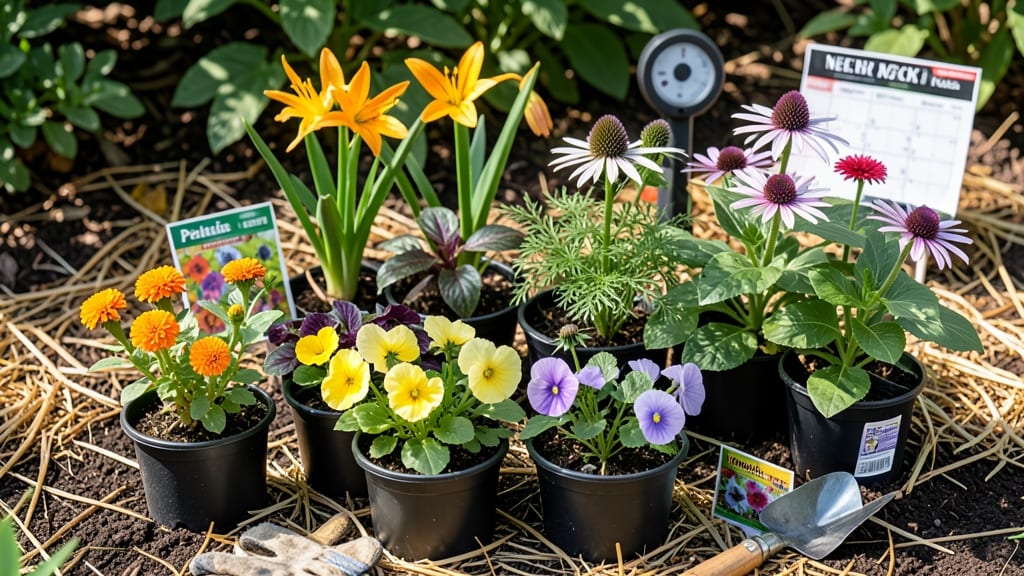
Planting flowers in New York at the right time means the difference between a garden that bursts with color and one that struggles to take root.
Timing isn’t just about avoiding frost—it’s about syncing your blooms with the Empire State’s shifting seasons. Whether you’re in Zone 5a or Zone 7b, getting the schedule right ensures your 🌸 thrive from the get-go. Miss the window, and you risk weak stems or late-season wilting.
New York’s climate zones create unique challenges: Upstate gardeners face earlier frosts, while NYC’s urban heat islands can push planting later. Annuals like petunias need warm soil, while hardy perennials like coneflowers can handle cooler spring air.
The key is knowing when to start seeds indoors, when to transplant, and which flowers play well in each zone.
In this guide, I’ll break down the exact planting calendar for your region, plus pro tips to stretch your growing season—whether you’re working with a balcony in Brooklyn or a backyard in Buffalo.
New York’s USDA zones: the exact planting windows for annuals, perennials, and bulbs
New York’s USDA Zones 5-7 create a unique gardening puzzle—where last frost dates shift from mid-April in NYC to late May in the Hudson Valley. Understanding these zones helps you time plantings perfectly for annuals, perennials, and bulbs that thrive in our humid continental climate.
For example, tulips (Zone 3-8) can handle our winters, while petunias (Zone 10-11) need to wait until after Memorial Day.
Each zone has specific frost-free windows that dictate when to plant. In Zone 5a (Upstate NY), the last frost averages April 20-25, while Zone 7a (Long Island) sees it April 10-15.
This 10-day difference means cool-season crops like pansies can go in earlier in warmer zones, while tender annuals like impatiens must wait until after May 15 in colder areas.
Bulbs like daffodils and tulips should be planted in fall (October-November) for spring blooms, but spring-blooming bulbs like hyacinths need chilling periods—so timing matters. Perennials like coneflowers and black-eyed Susans can handle Zone 5’s winters but need spring planting after frost for best establishment.
For annuals, the rule is simple: wait until after the last frost for tender varieties like geraniums and begonias.
In Zone 7b, this often means May 10-15, while hardier annuals like pansies can go in as early as April 15 in warmer zones. Perennials like hostas and heucheras can be planted in spring or fall, but spring planting gives them more time to establish roots before winter.
Bulbs are a special case—most need to be planted in fall (September-October) to develop roots before dormancy. However, spring-planted bulbs like caladiums (Zone 9-11) can be tucked into containers and brought indoors in Zone 5-7.
The key is ensuring they get 6-8 weeks of chilling in a cool, dark place before planting.
Urban gardeners in NYC’s Zone 7a face microclimates where sidewalk gardens may warm up faster than rural areas.
Test your soil’s warming rate by placing a thermometer at planting depth—aim for 50°F (10°C) for most flowers. Row covers can push planting dates 2-3 weeks earlier in spring or extend fall plantings by 4-6 weeks.
Mulching with 2-3 inches of straw or leaves after planting helps retain soil moisture and moderate temperatures. In Zone 5a, this is critical for protecting newly
Month-by-month flower planting calendar: what to plant in New York’s spring, summer, and fall
New York’s spring and fall are the prime windows for planting flowers, but the exact timing depends on your USDA zone and whether you’re growing annuals or perennials. In Zone 5a (Upstate), frost lingers until mid-May, while Zone 7b (NYC) can start planting 2-3 weeks earlier.
My calendar below aligns with these regional differences, so you can plant with confidence—whether you’re in Buffalo or Brooklyn.
Cool-season flowers like pansies and snapdragons thrive in spring’s mild air, while heat-lovers such as marigolds and zinnias need warm soil. Fall planting is all about bulbs (like tulips) and hardy perennials that establish roots before winter.
I’ll also share soil prep tips and maintenance schedules to keep your garden blooming all season long.
🌱 Your Month-by-Month Flower Planting Guide
- March (Zone 6-7 only): Start cool-season annuals indoors (e.g., petunias, geraniums) and plant spring bulbs (daffodils, crocuses).
- April: Transplant hardy perennials (coneflowers, black-eyed Susans) and direct-sow cool-season veggie flowers (nasturtiums, borage).
- May: Plant heat-loving annuals (marigolds, zinnias) after last frost (April 15 in NYC, May 1 in Upstate).
- June-August: Succession-sow fast-blooming annuals (sunflowers, cosmos) every 2-3 weeks for continuous color.
- September: Plant fall-blooming bulbs (chrysanthemums, asters) and cool-season veggie flowers (kale flowers, calendula).
- October (Zone 5-6): Add spring-blooming bulbs (tulips, hyacinths) for next year’s color before ground freezes.
For Upstate NY, delay spring planting until May 15 to avoid late frosts, but NYC gardeners can start 2 weeks earlier. Always check your local frost dates—the National Weather Service provides updated forecasts.
Amend your soil with compost before planting to improve drainage, especially in heavy clay soils common in Western NY.
Maintenance is key to long-lasting blooms. After planting, water deeply (1-2 inches per week) and mulch to retain moisture. In summer’s heat, deadhead spent blooms to encourage reblooming in petunias and impatiens.
Fall-planted bulbs need 6-8 weeks of chill to bloom, so plant them by October 15 in Zone 5.
Don’t overlook container gardening—it’s perfect for NYC’s limited space. Use fast-draining mixes and self-watering pots for annuals like geraniums and begonias, which thrive in containers. Urban gardeners can also extend seasons with row covers or cold frames for early/late planting.
By following this calendar, you’ll enjoy bold blooms from spring to fall, even in New York’s unpredictable climate. Start small with a few easy annuals like marigolds or sunflowers, then expand to perennials for low-maintenance color year after year. Happy planting! 🌷