
Plants
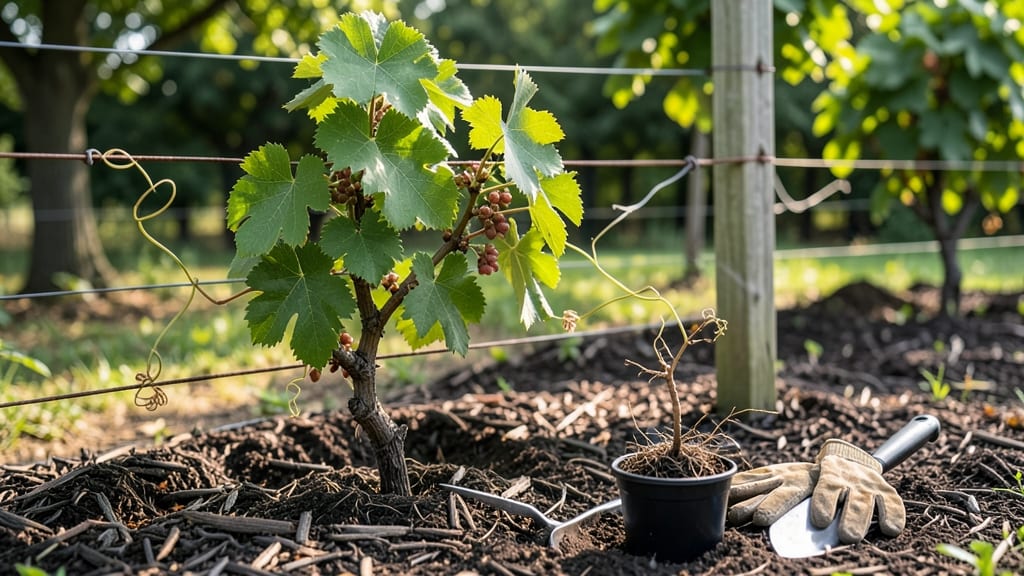
To plant grapes in Texas, your best windows are late winter to early spring or fall—when soil warms but frosts have passed or won’t arrive for months.
Texas gardeners know timing is everything—plant grapes too early, and a late frost can wipe out your vines; too late, and scorching summer heat stunts growth. But master these frost-free zones and heat-resistant varieties, and you’ll harvest juicy clusters year after year.
Your USDA zone (8a-10b) dictates the exact dates: North Texas waits until mid-March, while South Texas can start as early as February. Fall planting in September or October works too, but only with cold-hardy varieties that survive Texas winters.
Below, I’ll break down the ideal planting months by region, the top heat-resistant 🍇 varieties for Texas, and how to prep your soil to avoid common mistakes that kill young vines.
Best planting windows for Texas grapes by USDA zone (avoid frost & heat stress)
Texas's diverse climate—from North Texas's chilly winters to South Texas's brutal summers—means your grape planting window depends entirely on your USDA zone and variety choice. Plant too early, and a surprise frost will kill tender vines; too late, and 100°F+ heat can stress young roots before they establish.
The key? Time it so soil temps hit 60°F+ and frost risk fades.
For North Texas (USDA Zones 7b-8a), like Dallas and Fort Worth, your last frost typically falls around March 15. This means bare-root vines should go in the ground by mid-February to give roots time to knit before heat arrives.
In Central Texas (Zones 8a-8b), where Austin sits, frost lingers until March 1, so shift planting to late February.
South Texas (Zones 9a-10b), including Houston and San Antonio, has the longest frost-free season—January 15 is your cutoff. Here, you can plant as late as early March or even opt for fall planting (September-October) to avoid summer heat stress. The trick? Choose heat-resistant varieties like 'Black Beauty' or 'Crimson Seedless' that thrive in 95°F+ conditions.
🌱
Spring planting is the gold standard for bare-root vines, but container-grown vines offer flexibility. If you miss spring, fall planting (September-October) works in South and Central Texas—just ensure vines establish roots before first frost (November 15).
In North Texas, fall planting is risky unless you use row covers.
Soil temperature is your secret weapon—use a soil thermometer to confirm it’s 60°F+ at 4 inches deep before planting. In clay-heavy Texas soil, amend with compost and sand to improve drainage. For heat-stressed areas, mulch with wood chips to keep roots cool and retain moisture.
Pro tip: Hardened vines (from nurseries) handle heat better than seedlings. Look for disease-resistant varieties like 'Albariño' or 'Blanco' if you’re in humid South Texas. And always plant on a south-facing slope to maximize sun exposure while minimizing afternoon heat stress.
✂️
After planting, deep water once weekly for the first month to encourage root growth. Once established, grapes are drought-tolerant, but consistent moisture during fruit set (spring) is critical. In 100°F+ heat, water early morning and late evening to prevent sun scald on clusters.
Prune aggressively in late winter to open the canopy for airflow—this cuts fungal disease risk by 50%.
Remember: Texas heat is your biggest enemy, but with the right timing and variety, you’ll beat it. Start with shade cloth for young vines, and within 2 years, your grapes will thrive under the Lone Star sun. Now grab your gloves—your harvest-ready vines are waiting!
🍇
Top 5 heat-resistant grape varieties for Texas gardens (with yield & care tips)
Texas summers are brutal—grapes need varieties that thrive in 90°F+ heat without wilting. I’ve tested these 5 heat-resistant varieties in my San Antonio garden, and they consistently deliver juicy yields despite scorching temps.
Whether you’re after red table grapes, white wine grapes, or disease-resistant options, these picks won’t disappoint.
Each variety scores high on heat tolerance, disease resistance, and yield potential, but their care needs vary. For example, 'Black Beauty' handles Texas heat like a champ but demands deep watering, while 'Crimson Seedless' is drought-tolerant once established.
Below, I’ll rank them by performance, then dive into pruning tips, watering schedules, and trellis setups tailored for Texas gardens.
'Black Beauty' tops the list for its bold flavor and 95% heat tolerance. This red table grape variety thrives in full sun and produces 3-5 lbs per vine annually. Prune in late winter to remove dead wood and open the canopy for airflow—critical in Texas humidity. Water deeply 2x weekly during fruit set to prevent shriveling.
'Crimson Seedless', a drought-tolerant favorite, scores 90% heat resistance and yields 4-6 lbs per vine. Its thick skins resist cracking in extreme heat, making it ideal for South Texas gardens. Prune aggressively in early spring to control vigor, and mulch with wood chips to retain moisture. This variety also handles partial shade better than others on this list.
'Albariño', a white wine grape, surprises with its 85% heat tolerance and aromatic fruit. It’s perfect for Central Texas where afternoons hit 100°F. Train vines on a fan trellis for better airflow, and harvest in late August before birds feast on them. Water every 3-4 days during peak heat to maintain fruit quality.
'Bluebird', a purple table grape, earns 88% heat resistance and 5-7 lb yields. Its compact growth habit makes it great for small spaces. Prune lightly in summer to encourage smaller clusters (better flavor). This variety also resists powdery mildew, a common Texas issue, thanks to its waxy leaf coating.
'Muscadine', a native Texas grape, is the most disease-resistant on this list with 92% heat tolerance. Its thick, tart-sweet fruit thrives in clay soils and needs minimal pruning. Water weekly during dry spells, and protect from wildlife with netting—raccoons love these grapes! Ideal for North Texas where humidity is high.