
Plants
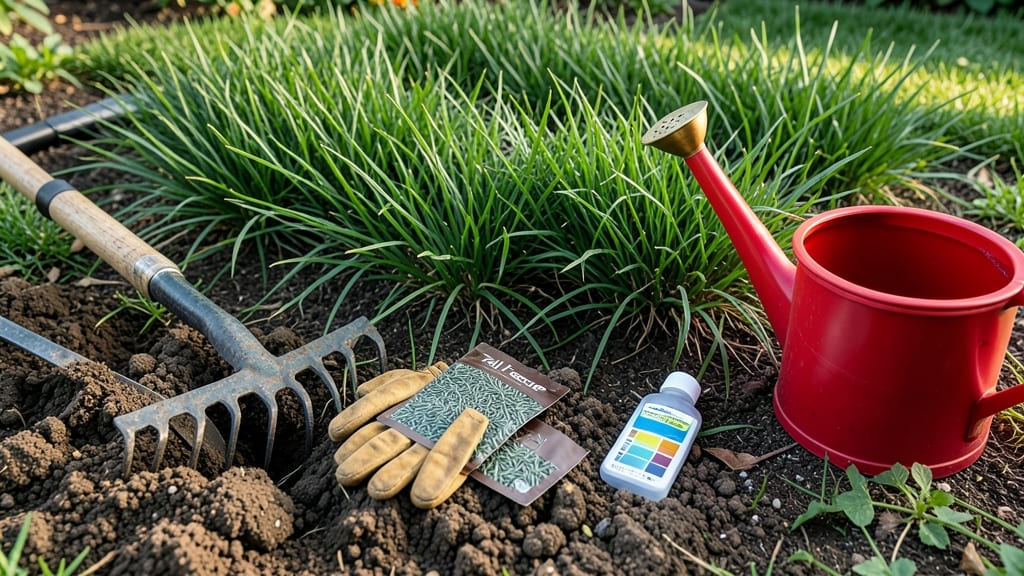
Planting grass seed in Arkansas at the right time means the difference between a thick, green lawn and weeks of patchy, struggling growth — especially with the state’s unpredictable spring and fall weather.
You’ve probably heard that timing matters, but in Arkansas, where soil temperatures swing wildly and humidity can stall germination, the window is narrower than you think. Miss it by even a few weeks, and you’re fighting frost, heat stress, or weeds instead of enjoying your new lawn.
Cool-season grasses like fescue thrive when soil temps sit between 45°F and 65°F, while warm-season types like Bermuda prefer 65°F to 80°F. That means early spring (after the last frost) or late summer/early fall (before the first frost) are your best bets — but Arkansas’ microclimates complicate things.
Below, I break down the exact deadlines by region, soil prep secrets to avoid common mistakes, and how to keep your grass seed moist without drowning it. Let’s get that lawn growing right.
Optimal Arkansas grass seed planting windows by soil temperature
Arkansas gardeners know timing is everything when planting grass seed. The state's USDA zones 7a-8b create unique challenges, with soil temperatures swinging from freezing winters to scorching summers.
For best results, focus on two key windows: early spring and late summer/early fall, when soil temps fall between 45°F–80°F for optimal germination.
Cool-season grasses like Tall Fescue and Kentucky Bluegrass thrive when soil temps stay between 45°F–65°F. Warm-season varieties such as Bermuda and Zoysia prefer 65°F–80°F soil.
Planting outside these ranges risks poor germination, weed competition, or heat stress. Arkansas' variable climate means deadlines shift yearly—always check a soil thermometer before seeding.
⚠️ NON-NEGOTIABLE: Never plant during summer heat waves (above 85°F) or when frost is imminent. The 30-day rule applies: Plant 4–6 weeks before first frost (typically mid-October) for fall seeding, or after last frost (late March–early April) for spring.
| Planting Window | Soil Temp Range | Grass Types | Arkansas Deadline | Key Consideration |
|---|---|---|---|---|
| Early Spring | 45°F–65°F | Tall Fescue, Kentucky Bluegrass, Ryegrass | March 15–April 15 | Avoid planting before last frost (risk of seed washout) |
| Late Summer/Early Fall | 65°F–80°F | Bermuda, Zoysia, Centipede | August 1–September 15 | Plant 6 weeks before first frost for root establishment |
| Avoid | Below 45°F or Above 85°F | All Types | Winter (Dec–Feb) or Peak Summer (June–July) | High risk of poor germination or heat stress |
For spring planting, aim to seed when daytime highs hit 70°F+ but nights stay above 50°F. This typically lands in mid-March to mid-April across most of Arkansas.
Use a soil thermometer to confirm—ideal temps for cool-season grasses are 55°F–65°F. In northern Arkansas (USDA 7a), wait until April 1 to avoid late frosts.
Fall is often the best window for Arkansas lawns because cooler temps reduce weed competition and water stress. Seed between August 1 and September 15, targeting soil temps of 70°F–80°F. Warm-season grasses like Bermuda should be planted no later than mid-August to establish roots before winter dormancy.
If you're planting cool-season grasses in fall, time it so seeds germinate 6–8 weeks before first frost (usually mid-October). This gives seedlings time to develop strong root systems before winter.
In southern Arkansas (USDA 8a), you can push planting to early November, but northern regions should finish by October 15.
Pro tip: Use a seed germination calculator to estimate your local deadlines. Arkansas State University Extension recommends adjusting planting dates 1–2 weeks earlier in higher elevations (Ozarks) and 1–2 weeks later in humid river valleys (Delta region).
Always test your soil's moisture retention—dry clay soils may need compost amendments before seeding.
After planting, maintain consistent moisture for the first 3–4 weeks. Water lightly daily (about ¼ inch) to keep soil evenly damp, not soggy. Overwatering can lead to seed rot, while underwatering causes poor germination. A sprinkler with fine mist works best for new seed.
Monitor your lawn for weed pressure during establishment. Pre-emergent herbicides should be applied 2–4 weeks after seeding to prevent crabgrass and clover. In Arkansas's humid climate, fungal diseases like brown patch can be an issue—choose disease-resistant varieties like Tall Fescue or Fine Fescue for fall plantings.
Remember: Arkansas' microclimates mean deadlines vary by just 20–30 miles. Check your local frost dates and adjust accordingly. With the right timing and care, you'll have a thick, green lawn that outlasts the state's unpredictable weather patterns. 🌱
Arkansas microclimate zones: adjusting planting deadlines by region
Arkansas isn’t one-size-fits-all when it comes to planting grass seed. The state’s three distinct regions—Delta, Ozarks, and River Valley—experience wildly different frost dates, humidity levels, and soil conditions.
What’s perfect timing in the Ozarks’ cooler highlands might be too late for the Delta’s humid lowlands, where summer heat can scorch new seedlings.
For example, the Delta region (southwest Arkansas) has later last-frost dates and higher humidity, while the Ozarks’ northern reaches often see frost as early as mid-October. Even within the River Valley, microclimates near rivers can stay damp longer, delaying planting by weeks compared to drier inland areas.
Below, I’ve mapped out the exact planting windows for each region, including soil temperature thresholds, frost risks, and humidity adjustments. Use this to avoid planting too early (frost damage) or too late (heat stress).
| Region | Last Frost Date | First Frost Date | Ideal Planting Window | Key Soil Temp | Humidity Impact |
|---|---|---|---|---|---|
| Delta (SW Arkansas) | Late Feb - Early March | Mid-October - Early Nov | March 15 - April 15 August 15 - Sept 30 |
50°F - 70°F | High humidity delays drying; water less frequently |
| Ozarks (NW Arkansas) | Late March - Early April | Mid-October - Late Nov | April 1 - May 1 August 1 - Sept 15 |
45°F - 65°F | Lower humidity; faster drying soil |
| River Valley (Central Arkansas) | Early March - Mid-April | Late Oct - Early Nov | March 20 - April 30 August 10 - Sept 25 |
55°F - 75°F | Moderate humidity; monitor for fungal risks |
The Delta’s warmer climate means you can start seeding as early as mid-March, but the high humidity requires extra vigilance against fungal diseases. In contrast, the Ozarks’ cooler nights often push planting deadlines earlier—sometimes as late as September—to avoid early frosts.
For all regions, late summer/early fall (August-September) is your safest bet for cool-season grasses like tall fescue, as it gives seedlings time to establish before winter. Warm-season grasses like Bermuda should go in after soil hits 65°F, typically late April in the Delta but May in the Ozarks.
Pro tip: Check the Arkansas Climate Office’s frost maps weekly for updates, especially if you’re planting near transition zones. A single late frost can wipe out weeks of effort—don’t skip this step! 🌱