
Plants
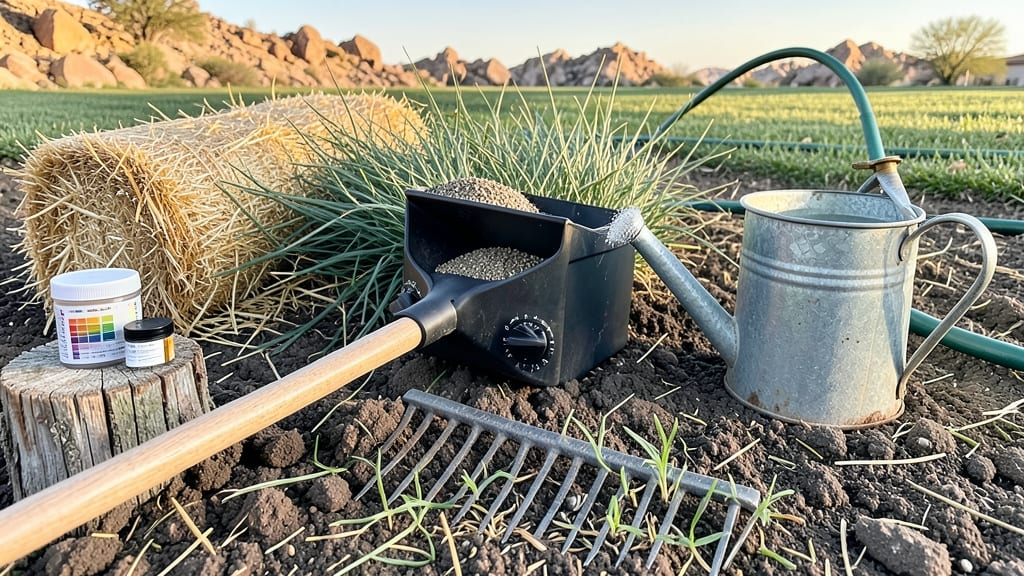
Planting grass seed in Utah at the right time means the difference between a lush lawn and a wasted effort—and the best window isn’t just about the calendar.
Utah’s elevation swings from 4,000 to 10,000+ feet, where a 5°F soil temperature shift can turn your seedlings into a crispy snack or a drought victim. Too early, and frost zaps your progress; too late, and summer heat turns your lawn into a dust bowl before roots take hold.
But here’s the secret: soil temperature and microclimates matter just as much as the date on your calendar.
Cool-season grasses like Kentucky Bluegrass thrive when soil hits 50–65°F, while warm-season varieties like Bermuda prefer 65–75°F. That means Northern Utah’s Zone 5–7 has a tighter spring window than Southern Utah’s Zone 7–9.
Get the timing wrong, and you’ll spend $500 on seed watching birds turn your yard into a buffet.
Below, I break down the exact planting windows by elevation, soil triggers, and how to stretch your season—so you can finally stop guessing and start growing.
Utah’s ideal grass planting windows by elevation Zone: soil temp triggers
Utah’s dramatic elevation shifts—from desert valleys at 4,000 feet to alpine meadows above 10,000 feet—create wildly different growing conditions for grass seed.
At lower elevations like St. George (Zone 7-8), warm-season grasses like Bermuda thrive when soil hits 65°F+, while high-altitude areas near Park City (Zone 5-6) demand cool-season grasses planted when soil is a crisp 50–55°F. The key?
Matching your elevation zone to the right soil temperature trigger.
Spring planting in Utah is a race against time—late frosts can linger until May 15 in Northern Utah, while Southern Utah’s desert heat arrives early. Fall offers a safer window, with soil temperatures dropping below 65°F by September in most regions.
However, high-altitude areas may need to wait until late August to avoid early snowfall. The Wasatch Front (Salt Lake City area) sits in a unique middle ground, where both cool-season and warm-season grasses can succeed with precise timing.
| Elevation Zone | USDA Zone | Best Planting Windows | Soil Temp Trigger (°F) | Grass Types | Key Risks |
|---|---|---|---|---|---|
| 4,000–6,000 ft (St. George, Cedar City) | 7–8 | Late Aug–Sept (fall) or April (spring) | 65–75°F | Bermuda, Zoysia, Buffalo Grass | Summer heat stress, drought |
| 6,000–8,000 ft (Wasatch Front, Provo) | 5–6 | Early Sept–Oct (fall) or April–May (spring) | 55–65°F | Kentucky Bluegrass, Tall Fescue, Fine Fescue | Late frosts, winter dieback |
| 8,000–10,000+ ft (Park City, Logan) | 4–5 | Late Aug–Sept (fall only) | 50–55°F | Creeping Red Fescue, Alpine Bluegrass | Short growing season, snow cover |
In Southern Utah (Zones 7–8), where summers are scorching and winters mild, warm-season grasses dominate. Plant Bermuda grass or Zoysia when soil temperatures consistently stay above 65°F, typically by mid-April.
Fall planting is also ideal here—aim for late August to early September when daytime highs dip below 90°F and nights cool to 60°F. The desert’s low humidity means irrigation becomes critical; seedlings need daily watering until roots establish.
Moving north to the Wasatch Front (Zones 5–6), the rules shift dramatically. Cool-season grasses like Kentucky Bluegrass and Tall Fescue are the stars here, and they demand soil temps between 55–65°F for optimal germination.
Spring planting should start by mid-April, but wait until after the last frost date (around April 15) to avoid killing tender sprouts. Fall is even better—late August to early September gives seedlings 6–8 weeks to root before winter sets in.
At high elevations (8,000+ ft), like those found near Park City or Ogden, the growing season is compressed. Creeping Red Fescue and Alpine Bluegrass are your best bets, and planting is fall-only. Seed late August to early September when soil temps hover around 50–55°F.
The rush to establish roots before first snow (often by October 15) means you’ll need to protect seedlings with straw mulch and monitor for early frosts.
One critical mistake I see in Utah gardens? Planting warm-season grasses too early in Northern Utah. Bermuda grass won’t germinate below 65°F, so if you sow it in March or early April, you’re wasting seed—and money.
Instead, wait until May 15 at the earliest or stick to fall planting for these varieties. For cool-season grasses, the opposite is true: planting after May
5 Critical factors that determine your planting timeline (beyond the calendar)
When planning to plant grass seed in Utah, the calendar date alone won’t guarantee success. Soil temperature, elevation variations, and local microclimates create unique challenges. For example, a Wasatch Front lawn at 4,200 feet faces different risks than a Southern Utah yard at 6,500 feet.
Ignoring these factors can lead to wasted seed, stunted growth, or even total failure.
Utah’s USDA Zones 5–8 span dramatic temperature swings, with frost dates shifting by weeks between regions. Northern Utah’s last frost often lingers until mid-April, while Southern Utah may see frost as late as mid-March.
Meanwhile, rainfall patterns vary wildly—some areas get summer monsoons, while others rely on winter snowmelt. These variables make precise timing essential.
- 1 Soil Temperature: Aim for 50–65°F (spring) or 60–75°F (fall). Use a soil thermometer—planting when soil is too cold delays germination, while hot soil can scorch seeds.
- 2 Frost Dates: Northern Utah’s last frost (April 15) and first frost (Oct 15) create a tight window. Plant cool-season grasses (Kentucky Bluegrass, Fescue) 4–6 weeks before first frost for root establishment.
- 3 Rainfall Timing: Utah’s summer monsoons (July–Aug) can drown seedlings. In low-rainfall areas, irrigate daily for the first 2 weeks. Use a rain gauge to track moisture—aim for 1–1.5 inches/week.
- 4 Shade Exposure: South-facing slopes get 6+ hours of sun, while north-facing areas may have partial shade. Choose shade-tolerant grasses (Fine Fescue) for low-light spots—these need 3–4 hours of sun to thrive.
- 5 Soil Moisture Retention: Sandy soils dry out fast, while clay holds too much water. Amend with compost to improve drainage and moisture retention. Test your soil’s water-holding capacity—ideal is moderate retention (not soggy).
⚠️ Callout-Warning: A common mistake in Utah is planting warm-season grasses (Bermuda, Zoysia) before May 15 in Northern Utah. These grasses struggle in cool spring soils and often fail to establish before summer heat. Wait until soil temps consistently stay above 65°F—typically late May to June.
Even if your neighbor plants in early April, their microclimate (e.g., urban heat island effect) may differ from yours. Always check local weather forecasts and use a soil thermometer—these tools are more reliable than guessing by date.
For high-elevation areas (7,000+ ft), extend your planting window by 2–3 weeks to account for cooler soils.
Pro tip: Mulch lightly after seeding to retain moisture and regulate soil temperature. Use straw or peat moss (avoid wood chips, which can mat and block sunlight). This simple step can improve germination rates by 20–30% in Utah’s variable climate. 🌱