
Plants
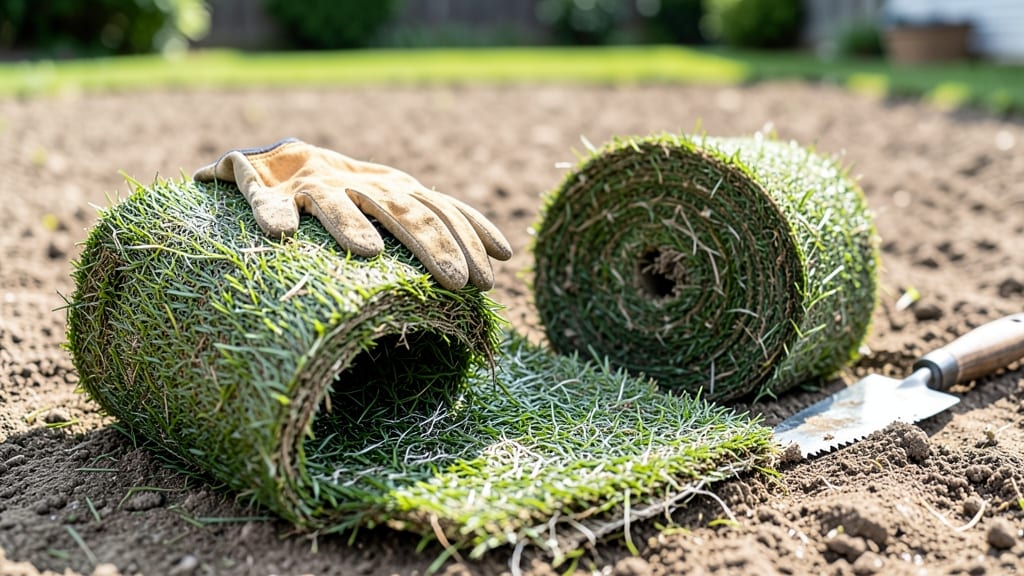
Planting St. Augustine sod in Texas at the right time is the key to a thick, green lawn that survives the brutal summer heat—because even the best sod struggles when planted too early or too late.
Picture this: you’ve just rolled out fresh 🌱 St. Augustine sod, only to watch it brown under the relentless Texas sun before roots can take hold.
The difference between a lush lawn and a failed investment often comes down to timing—and the best windows are spring and fall, when temperatures cooperate.
In Texas’s varied climate from Zone 7a to 10b, planting in late February through early June or late July through early September gives your sod the 4-6 weeks it needs to establish roots before summer’s scorching heat or winter’s frost arrive.
Below, I’ll break down the exact months to plant, how to prep your soil, and what to watch for to ensure your St. Augustine sod thrives—no guesswork, just proven strategies for Texas lawns.
Best months to plant St augustine sod in Texas for strong root growth
Timing your St. Augustine sod planting in Texas is critical—this warm-season grass thrives when soil temperatures hover between 65°F and 85°F. Planting outside these ranges risks heat stress or shallow roots, leaving your lawn vulnerable to drought and disease.
The two best windows are spring (March–April) and fall (September–October), but regional differences in Texas mean adjustments for North vs. South zones.
In North Texas (USDA Zones 7a–8a), cooler springs and earlier frosts narrow the ideal window to late March through early May and September–October.
Meanwhile, South Texas (Zones 8b–10b) can extend planting into June or even early July if you stay vigilant about irrigation and shade protection during peak heat. The key is avoiding summer’s brutal sun and winter’s frost.
| Region | Best Planting Window | Soil Temp Range (°F) | Rainfall Needs | Key Risk to Avoid |
|---|---|---|---|---|
| North Texas (7a–8a) | Late March–Early May, September–October | 65–75°F | 1–1.5 inches/week | Late frost (after April 15) |
| Central Texas (8a–9a) | March–April, August–September | 68–80°F | 1.5–2 inches/week | Summer heat stress (above 90°F) |
| South Texas (8b–10b) | April–May, September–October | 70–85°F | 2–2.5 inches/week | Hurricane season delays (June–Nov) |
For spring planting, aim for March–April when daytime highs are 75–85°F and nights stay above 55°F. This gives roots 6–8 weeks to establish before summer’s intensity. Start with a soil test to confirm pH (ideal: 6.0–7.5) and amend with compost if needed.
In fall, September–October offers cooler temps and consistent rainfall, reducing watering demands.
If you’re in South Texas, you can push planting into June but must provide afternoon shade (e.g., temporary shade cloth) and daily watering to prevent sod burn. Use a sprinkler system set to early morning (4–8 AM) to maximize absorption and minimize evaporation.
Avoid planting in July–August unless you’re prepared for supplemental shade and extra irrigation.
One common mistake is planting too early in spring when soil is still cool, slowing root growth. Use a soil thermometer to confirm temps are stable above 65°F before laying sod.
In fall, stop planting by mid-October in North Texas to avoid early frost, which can damage tender new roots. South Texas can extend slightly later, but November risks chilly nights below 50°F.
Pro tip: Overlap planting with rainfall when possible. Texas’ September–October often brings consistent showers, reducing your watering workload. If drought hits, supplement with 1–1.5 inches of water per week, split into two sessions (morning and evening).
Mulch with straw or wood chips to retain moisture and regulate soil temperature.
For North Texas gardeners, prioritize early spring (March) planting to beat summer’s heat. In Central Texas, April is ideal, while South Texas can stretch into May with shade protection.
Always roll the sod after laying to eliminate air pockets and ensure full root-to-soil contact. Within 2 weeks, you’ll see new growth—a sign your timing was perfect!
Remember: St. Augustine sod is a high-maintenance grass but rewards patience with dense, shade-tolerant coverage. By planting in these optimal windows, you’ll skip the summer struggles and winter setbacks that plague off-season plantings. Start your sod on the right foot—literally—and enjoy a lush, green lawn all year.
🌱
Signs your Texas soil is ready for St augustine sod planting (and what to do if it’s not)
Your Texas soil is primed for St. Augustine sod when temperatures balance warmth and moisture—critical for root establishment. Aim for soil temps between 65–75°F, which typically aligns with spring (March–May) and early fall (September–October).
These windows avoid the brutal summer heat or early frost risks that can stunt growth.
Check your soil moisture by digging 2–3 inches deep—it should feel damp but not soggy. Consistent rainfall or supplemental irrigation is key, especially in North Texas, where droughts can dry out soil quickly.
If your lawn feels parched, wait for a week of steady rains or water deeply to prepare.
⚠️ callout warning
Planting St. Augustine sod when soil temps are below 60°F or above 85°F risks poor root growth or heat stress. Use a soil thermometer to confirm readiness—spring planting should start when daytime highs hit 70°F+, and fall planting ends before first frost (varies by region).
Before laying sod, test your soil pH—St. Augustine thrives in 6.0–7.0. If your soil is too acidic, amend it with lime 4–6 weeks before planting. For weed control, apply a pre-emergent herbicide 2 weeks prior to kill existing weeds without harming the new sod.
Loosen the top 4–6 inches of soil with a garden rake or tiller to improve drainage and aeration. Mix in 2–3 inches of compost to boost organic matter, which helps retain moisture—a critical factor in Central Texas, where summers can be unforgiving.
If your soil is too dry or too hot, delay planting and focus on hydration. Water deeply 2–3 times weekly until the ground cools or moisture stabilizes. For shade-loving varieties, ensure the area receives partial shade (3–6 hours of sun) to reduce stress during peak heat.
Once conditions align, fertilize lightly with a slow-release 16-4-8 blend to jumpstart growth. Avoid heavy feeding in South Texas’s humid summers, as excess nitrogen can attract pests. Monitor for even color and firm sod edges—signs your lawn is ready to thrive.