
Flowers
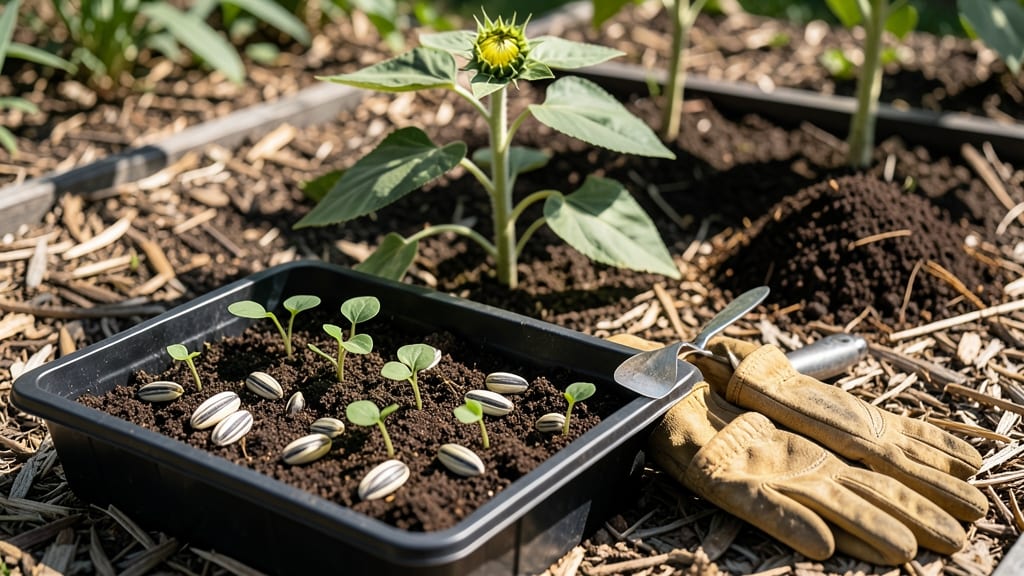
To plant sunflowers in Massachusetts, aim for mid-April to early June after the last frost—timing is everything for 10+ foot varieties like 'Mammoth' or 'Russian Giant'.
Picture this: you’ve spent months dreaming of sunflowers 🌻 towering over your garden fence, only to watch them wilt under a late frost or bolt in the heat. The key to avoiding that heartbreak? Planting when soil temperatures hit 55°F and nights stay reliably above 50°F.
Massachusetts’ 6a zone gives you about 165 frost-free days, which means tall sunflowers need a head start. Whether you’re direct-sowing or transplanting, the window is tight—skip it, and you’ll be left with stunted stems or no blooms at all.
Below, I’ll break down the exact dates for Boston, Cape Cod, and inland areas, plus pro tips for extending the season with row covers or black plastic mulch. Ready to grow sunflowers that reach for the sky?
Massachusetts sunflower planting calendar: frost dates by region
Growing 10-foot-tall sunflowers in Massachusetts requires precision timing—especially when frost dates vary dramatically across regions. The last spring frost can arrive weeks earlier in Cape Cod than in the Berkshires, and missing that window means stunted growth or no blooms at all.
Let’s break down the exact frost-free periods for Boston, Springfield, and Cape Cod so you can plant your giant sunflowers at the perfect moment.
Massachusetts spans USDA zones 5b to 6b, but microclimates create even more variation. Coastal areas like Cape Cod (zone 6b) warm up faster than inland cities like Springfield (zone 5b-6a).
For giant sunflower varieties like 'Mammoth' or 'Russian Giant' (which need 100+ frost-free days to mature), knowing your exact region’s frost dates is critical. Plant too early, and frost will kill seedlings; too late, and your sunflowers won’t reach their full height before fall.
Here’s your region-specific planting calendar, including ideal windows for direct sowing and starter plants, plus adjustments for microclimates like urban heat islands or sheltered valleys.
For Boston gardeners, the window to plant giant sunflowers is tight—only 6 weeks between the average last frost (April 20) and the ideal planting deadline (June 10).
If you’re growing 'Mammoth Russian', which can reach 12+ feet, aim for early May to give roots time to establish before summer heat sets in. Use row covers if planting in late April to protect seedlings from unexpected frost.
Inland areas like Springfield face later frosts (May 5–15), giving you a slightly extended window (May 15–June 15). However, valleys and low-lying areas can frost up to 2 weeks later, so monitor local forecasts or use a soil thermometer (ideal planting temp: 55–65°F).
Varieties like 'American Giant' tolerate cooler soils better, making them ideal for Zone 5b.
Cape Cod’s coastal microclimate is a gardener’s advantage—frost arrives earliest (April 10–25), but the ocean moderates temperatures, allowing you to plant 2–3 weeks earlier than Boston. This gives 'Giant Sunbird' varieties extra time to mature before the first fall frost (typically October 15–25).
Just watch for salty winds, which can stress young plants; amend soil with compost to improve drainage.
No matter your region, soil temperature is more critical than air temperature.
Use a seedling heat mat if planting in late April or early May, especially in Zone 5b. Giant sunflowers need 6–8 hours of sunlight daily, so choose the sunniest spot in your garden—even a 20% reduction in light can cut height growth by 30%.
For container gardening in urban areas, use 5-gallon pots with fast-draining mix and plant 1–2 weeks after your region’s last frost date. Containers warm up faster, so you can extend the season slightly. Just ensure pots get full sun exposure—partial shade will stunt your sunflowers’ growth.
Remember: First frost in Massachusetts typically hits October 15–25, but giant sunflowers need 100+ days to mature. If you’re pushing for 12-foot giants, start seeds indoors in late March and transplant outdoors after the last frost. For direct sowing, May is your safest bet across most regions.
🌻
Direct sowing vs. starter plants: which works best in MA’s short season?
Massachusetts’ short growing season forces tough choices for sunflower lovers—should you direct sow seeds or buy starter plants? For tall varieties like 'Mammoth' or 'Russian Giant' (10+ feet), timing and method directly impact your chances of reaching that basketball-hoop height.
Let’s break down the pros and cons so you can pick the method that works best for your garden.
Direct sowing means planting seeds directly into your garden bed after the last frost date (typically mid-April in most of MA). This method lets sunflowers grow naturally resilient roots without transplant shock, which is especially important for deep-rooted giants.
However, it requires precise timing—soil must be at least 55°F and consistently warm. If you plant too early, cold soil can delay germination for weeks, cutting your growing window.
Starter plants, on the other hand, give you a head start of 4-6 weeks, which is crucial for late-May or June plantings. They’re ideal if you’re in cooler microclimates like Cape Cod or the Berkshires, where the season is even shorter.
But transplant shock can stunt growth, and sunflowers hate being moved—their taproots are fragile. If you choose this route, harden off seedlings for 7-10 days and transplant on a cloudy day to minimize stress.
Direct Sowing
| Pros | Cons |
|---|---|
| ✅ Stronger roots—no transplant shock | ❌ Limited window—must plant after last frost |
| ✅ Cost-effective—seeds are cheaper than starter plants | ❌ Slow start—germination takes 7-14 days |
| ✅ Better for tall varieties—roots establish deeply | ❌ Risk of frost if planted too late |
Starter Plants
| Pros | Cons |
|---|---|
| ✅ Faster growth—blooms earlier in short seasons | ❌ Transplant shock can stunt height |
| ✅ Flexible timing—plant later in season | ❌ More expensive than seeds |
| ✅ Good for late starts—ideal for June plantings | ❌ Fragile roots—hard to transplant |
To extend your growing season, use black plastic mulch to warm soil faster or row covers to protect young plants from late frosts. For direct sowing, aim for mid-April to early May—this gives you 165 frost-free days to grow giants.
If you’re using starter plants, buy them in late May and transplant immediately to avoid shock. Avoid planting after June 1, or your sunflowers may not reach maturity before frost.
For maximum height, I recommend direct sowing if your last frost is before May 15. If you’re in a cooler zone or planting late, starter plants can work—but harden them properly and give them extra care.
Either way, water deeply and fertilize lightly with a 5-10-10 mix every 4-6 weeks to fuel those towering stems.
Pro tip: If you’re unsure, try both methods! Plant a few seeds directly and a few starters side by side. Compare their growth—you might be surprised by which method wins in your microclimate. 🌻