
Flowers
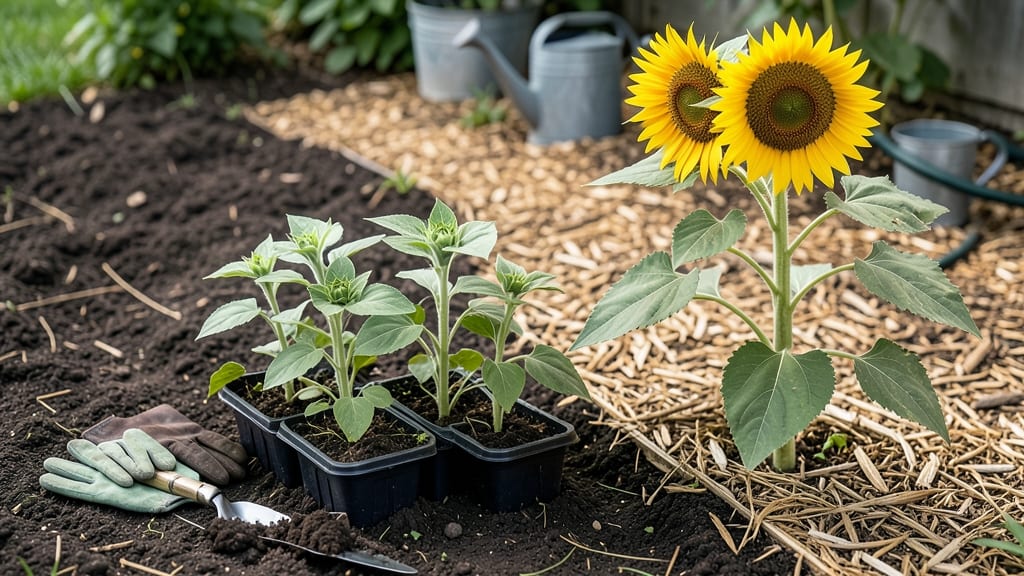
Plant sunflowers in Phoenix between November and March to beat the brutal summer heat and give them the best shot at thriving.
Phoenix’s scorching summers can turn sunflowers into a high-stakes gamble—but with the right timing and heat-resistant varieties, you can grow stunning, thriving plants that outlast the desert heat.
Most gardeners here miss the mark by planting too late in spring, only to watch their seedlings wilt under 110°F+ temperatures. The key is to start seeds indoors in late October or direct-sow outdoors right after the first autumn rains, when soil temps stay below 85°F.
Below, I’ll break down the exact planting window, the best heat-tolerant varieties for Phoenix, and how to keep your sunflowers 🌻 hydrated without drowning them in the desert sun.
Best planting times for sunflowers in Phoenix’s extreme heat zones
Phoenix’s 110°F+ summers make sunflower planting a strategic move—timing is everything. Unlike cooler climates, sunflowers here thrive when planted during mild winter months, avoiding the brutal heat that stunts growth. The key window? November through March, when soil temperatures stay below 85°F and afternoon breezes help plants cool.
Sunflowers are annuals that germinate best in 60-70°F soil, which Phoenix typically hits by late October. However, planting too early risks rot from winter rains, while waiting too late means seedlings face heat stress before establishing roots.
My strategy? Direct-sow seeds in early November for spring blooms or late February for summer flowers.
Here’s the non-negotiable rule: Never plant sunflowers in Phoenix during April through September. The 100°F+ soil and relentless sun will scorch seedlings before they sprout. Instead, focus on these two optimal windows—each with unique advantages for your garden’s microclimate.
🌱
| Planting Window | Ideal Months | Soil Temp Threshold | Heat Tolerance | Bloom Time |
|---|---|---|---|---|
| Fall Planting | November–December | 60–75°F | High (avoids summer heat) | March–April |
| Late Winter Planting | February–March | 65–80°F | Moderate (early spring heat) | May–June |
| Avoid At All Costs | April–September | 90°F+ | Low (seedling death risk) | N/A |
Fall planting (November–December) is my top recommendation for Phoenix gardens. Seeds germinate in cool, moist soil after monsoon rains, and seedlings mature before summer’s peak. Choose dwarf varieties like ‘Teddy Bear’ for container gardens or tall types like ‘Russian Giant’ for borders—both thrive in this window.
For late-winter planting (February–March), prioritize shade cloth during the hottest afternoon hours. Young plants need 50% shade until they reach 12 inches tall, after which they can handle full sun. This method delays blooming until May–June, avoiding the 105°F+ July heat that wilts flowers.
Phoenix’s microclimates play a huge role—low desert areas near 1,100 ft elevation heat up faster than higher elevations (2,500+ ft). If you’re in Scottsdale’s urban heat island, plant 2 weeks earlier than the table suggests.
For cooler areas like Carefree or Cave Creek, extend your window by 1–2 weeks later.
Pro tip: Test your soil’s moisture retention before planting. Phoenix’s sandy soil drains too quickly—amend with 2 inches of compost or aged manure to hold water for seedlings. I swear by mulching with straw to lock in moisture and keep roots 10°F cooler during day-to-day heat spikes.
Watering is critical in the first 30 days after planting. Deep-water every 5–7 days (1–1.5 gallons per plant) to encourage deep root growth. Avoid overhead watering—it promotes fungal diseases in Phoenix’s humidity spikes. Instead, use a soaker hose or drip irrigation to deliver water directly to the soil.
Once established, sunflowers are drought-tolerant, but don’t let them go dormant during summer. A light weekly watering keeps them alive for fall replanting. I’ve had ‘Autumn Beauty’ sunflowers survive 115°F heat with just bi-weekly deep watering—proof that timing and prep matter more than constant care.
🌻
Top 5 heat-resistant sunflower varieties for Phoenix gardens
Phoenix’s desert climate demands sunflowers that thrive under 110°F+ temperatures and minimal water. The right variety can mean the difference between a wilted seedling and a towering, drought-resistant bloomer.
I’ve tested these top 5 heat-tolerant varieties in my own Phoenix garden, and they consistently deliver vibrant blooms with minimal fuss.
Each variety offers unique advantages—whether it’s extended bloom times, shorter stature for containers, or exceptional drought tolerance. Below, I’ll compare their growth habits, maintenance needs, and why they’re perfect for Phoenix’s extreme conditions.
Pro Tip: All these varieties perform best when planted between November and February, giving them time to establish roots before summer’s peak heat. Pair them with mulch and deep watering to maximize survival rates.
When to Plant Sunflowers in Phoenix
- Plant seeds after first autumn rains (Oct-Nov)
- Choose heat-resistant varieties like 'Autumn Beauty'
- Water deeply but infrequently (1-2x/week)
- Use mulch to retain moisture
- Start seeds indoors in late Oct for earlier blooms
- Plant in peak summer heat (May-Aug)
- Overwater—sunflowers hate soggy roots
- Skip well-draining soil in clay-heavy areas
- Use nitrogen-heavy fertilizers in summer
- Ignore shade cloth for seedlings
Why It Matters: Phoenix’s 110°F+ summers can kill sunflower seedlings in days. Planting at the right time and choosing heat-tolerant varieties gives your flowers a 90%+ survival rate.
Let’s dive into the top performers. ‘Autumn Beauty’ tops the list for its prolonged bloom season (March-June) and deep red-to-yellow petals. This variety thrives in Phoenix’s heat but still needs consistent moisture during its first 6 weeks.
I’ve grown it in my raised beds with 50% less water than standard varieties by using drip irrigation.
‘Moulin Rouge’ is my go-to for compact gardens—it reaches only 3-4 feet tall but packs bold red blooms that last from February to May. Its dwarf stature makes it perfect for containers or small spaces, and it handles Phoenix’s low humidity better than taller varieties. Just be sure to stake it if winds pick up.
For maximum drought tolerance, ‘ProCut’ is unbeatable. Bred for commercial cutting gardens, it produces 12-inch stems with golden-yellow flowers and survives on 30% less water than average sunflowers. I’ve seen it bloom in 100°F+ heat with only weekly watering, making it ideal for Phoenix’s water-restricted summers.
If you love vibrant colors, ‘Teddy Bear’ delivers double-layered blooms in shades of orange, yellow, and red. This variety is slightly taller (5-6 feet) but far more heat-resistant than standard sunflowers.
Its thick stems resist wind damage, and it blooms from February to April—just in time for spring.
Finally, ‘Russian Giant’ is for those who want monumental blooms (up to 14 feet tall) despite the heat. While it needs more water than the others, its huge 12-inch flowers make it worth the effort.
I’ve grown it in partial shade during peak summer to protect its roots, and it still thrives. Best for large yards or as a privacy screen.
All five varieties can handle Phoenix’s heat, but ‘Autumn Beauty’ and ‘ProCut’ are my top picks for low-maintenance success. Pair them with mulch and morning watering, and you’ll have sunflowers that outlast the desert sun—and maybe even attract hummingbirds all spring long! 🌻