
Plants
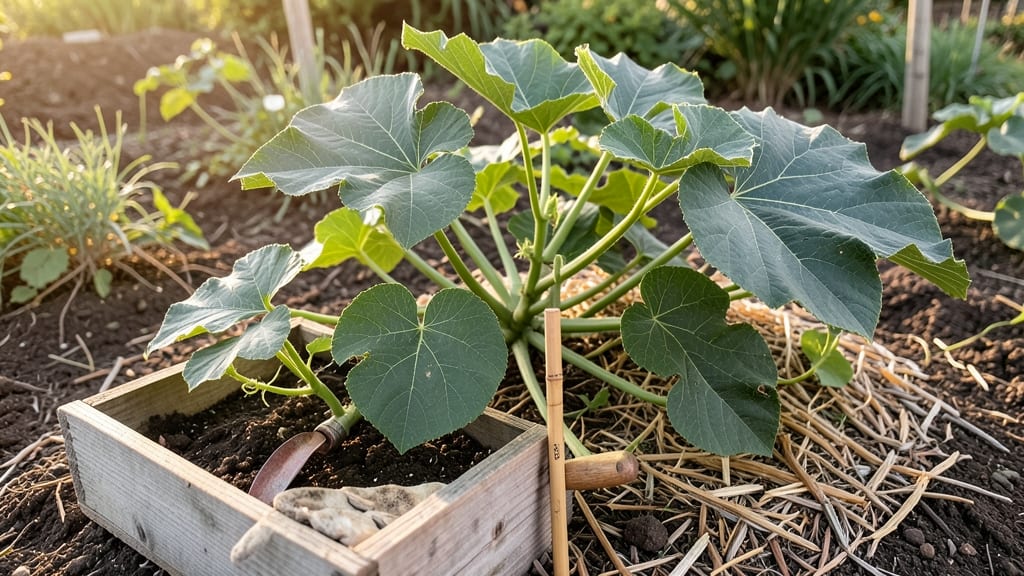
Planting zucchini in Maryland at the right time means the difference between a bumper crop 🎃 and a sad, wilted vine.
Maryland’s warm summers and diverse microclimates make it a prime spot for growing zucchini—but timing is everything. Plant too early, and frost will strike; too late, and your harvest shrinks.
In USDA zones 7a-7b, your best window is mid-April to early June for spring planting, or late July for a fall harvest. Soil needs to hit at least 60°F before seeds go in, or they’ll rot in the cold.
Below, I break down county-by-county deadlines, soil prep secrets, and pro tips to keep your zucchini thriving—no guesswork, just results.
Maryland zucchini planting deadlines by county: frost-free dates & soil prep
Timing your zucchini planting in Maryland is all about last frost dates and soil temperatures. Zucchini thrives in USDA Zones 7a-7b, but even within Maryland, microclimates vary dramatically.
For example, Baltimore County typically sees its last frost around April 15, while Frederick County often waits until May 1. Planting too early risks frost damage, while waiting too long shortens your harvest window.
Zucchini seeds need soil temperatures of at least 60°F to germinate properly. In Maryland, this usually aligns with late April to early May for most counties. Use a soil thermometer to confirm—cold soil delays germination and weakens seedlings.
Pro tip: If your soil isn’t warm enough, consider using black plastic mulch to raise temperatures by 5-10°F.
| County | Avg. Last Frost | Safe Planting Window | Soil Temp. Goal | Fall Harvest Tip |
|---|---|---|---|---|
| Baltimore | April 15 | April 20 - May 10 | 60°F+ | Plant July 15 - Aug 1 for fall harvest |
| Frederick | May 1 | May 5 - May 20 | 60°F+ | Use row covers for late July plantings |
| Montgomery | April 20 | April 25 - May 5 | 60°F+ | Black plastic mulch extends season by 2 weeks |
| Prince George's | April 10 | April 15 - April 30 | 60°F+ | Start seeds indoors March 15 for early transplant |
| Harford | April 25 | May 1 - May 15 | 60°F+ | Cold frames protect seedlings in late spring |
For a fall harvest, aim to plant zucchini seeds between July 15 and August 15. This gives your plants enough time to mature before the first frost, which typically hits Maryland between October 15 and November 1.
Use row covers or black plastic mulch to extend your growing season by 2-4 weeks. These methods trap heat and protect tender plants from light frosts.
Before planting, prepare your soil by amending it with compost or aged manure to improve drainage and fertility. Zucchini plants are heavy feeders and need well-draining soil with a pH of 6.0–7.0. Test your soil’s pH before planting—Maryland’s clay-heavy soils often need gypsum or sulfur to adjust levels.
Work in 2–3 inches of organic matter at least a week before planting to give microbes time to break it down.
If you’re in a cooler microclimate (like higher elevations in Frederick or Garrett Counties), consider starting seeds indoors 4–6 weeks before your last frost date.
Use biodegradable pots to avoid transplant shock when moving seedlings outdoors. Harden them off by placing them outside for 2–3 hours daily for a week before transplanting.
One common mistake Maryland gardeners make is planting zucchini too close together. Give each plant 2–3 feet of space in all directions to prevent powdery mildew and ensure good air circulation.
In urban gardens with limited space, choose bush varieties like 'Eight Ball', which stay compact and produce abundantly without sprawling.
To maximize your zucchini yield, practice succession planting. After harvesting your first batch in June or July, sow a second round of seeds in early August.
This ensures a continuous harvest through September or early October. Just be sure to water deeply after each planting to help seeds germinate in the warm soil.
Finally, monitor your zucchini plants for squash vine borers, a common pest in Maryland. Look for wilting leaves or sawdust-like frass near the stem—these are signs of infestation.
Use row covers early in the season or apply neem oil as a preventative measure. Healthy, well-spaced plants are less susceptible to pests and diseases.
With these county-specific deadlines and soil prep tips, you’ll be well on your way to a bountiful zucchini harvest. Whether you’re growing in
How to choose zucchini varieties for Maryland’s climate: heat-tolerant vs. early-maturing
Maryland’s humid summers and variable temperatures demand the right zucchini varieties to thrive. Heat-tolerant types like ‘Black Beauty’ handle 90°F+ days, while early-maturing options like ‘Eight Ball’ give you a jumpstart before summer’s peak.
Choosing the wrong variety can mean bolted plants or powdery mildew outbreaks—both common in Maryland’s USDA Zone 7a-7b.
For urban gardeners with limited space, compact varieties like ‘Patio Star’ (bush-type) save room while still producing 2-3 lbs of zucchini per plant. Meanwhile, ‘Gold Rush’ offers golden-yellow fruits that ripen 50 days faster than green types, perfect for Maryland’s short growing season.
Let’s break down the top 5 varieties and their pros and cons to match your garden’s needs.
Zucchini Varieties for Maryland: Pros & Cons
Black Beauty
- Pros: Heat-tolerant, high yield, disease-resistant
- Cons: Large plant size (needs 3-4 ft space), prone to powdery mildew in humidity
Eight Ball
- Pros: Compact (1-2 ft tall), great for containers, early-maturing (45 days)
- Cons: Lower yield per plant, needs staking for support
Gold Rush
- Pros: Golden-yellow fruit, 50-day harvest, sweet flavor, mildew-resistant
- Cons: Less common (check seed suppliers), needs consistent water
Patio Star
- Pros: Bush-type (no trellis), 2-3 lbs per plant, great for small spaces
- Cons: Slower to mature (55 days), needs full sun
Sunburst
- Pros: Yellow-striped fruit, heat-tolerant, 52-day harvest
- Cons: Needs 3-4 ft spacing, attracts squash bugs
If you’re dealing with Maryland’s humid summers, prioritize varieties with powdery mildew resistance, like ‘Gold Rush’ or ‘Sunburst’. For urban gardens or balconies, ‘Eight Ball’ or ‘Patio Star’ are game-changers—they fit in 5-gallon containers and still produce abundantly.
Just remember: container-grown zucchini need daily watering to prevent bolting.
For fall harvests, plant heat-tolerant varieties like ‘Black Beauty’ in late July to avoid early frost. Pair them with marigolds to deter pests and use black plastic mulch to keep roots cool. Maryland’s short growing season means every day counts—choose wisely!
Pro tip: Succession plant every 2 weeks from May to July to ensure a steady harvest. Even if your first planting bolts, a second wave will keep your kitchen stocked. And always harvest when zucchini are 6-8 inches long—larger fruits mean bitter taste and fewer future blooms.
🌱