
Plants
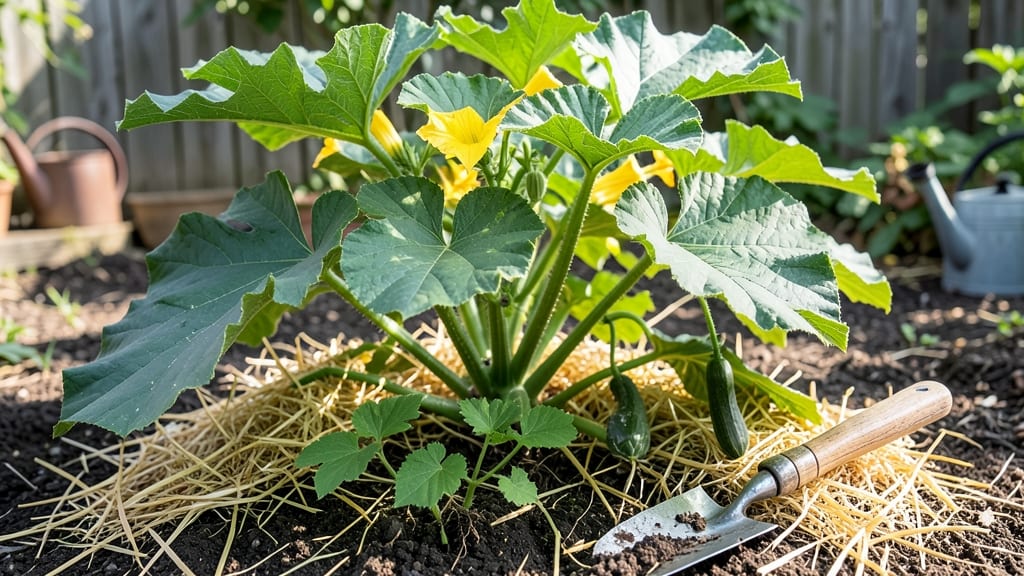
Planting zucchini in Massachusetts after your last frost date—typically mid-May to early June—sets you up for a bumper harvest before fall’s chill arrives.
Massachusetts gardeners know timing is everything—plant zucchini too early, and frost will kill your seedlings; too late, and summer’s heat will make them bolt. Here’s your precise planting schedule for USDA Zones 5B-6A, including frost dates, soil prep tips, and the best varieties for your region.
With 165 frost-free days in most of the state, you’ve got a narrow window to get seeds in the ground when soil temperatures hit at least 60°F. Miss the mark, and you’ll either wait too long for harvests or watch your plants struggle in the heat.
Below, I break down the exact dates by zone, how to stretch your growing season with succession planting, and the 3 biggest mistakes Massachusetts gardeners make when timing their zucchini 🎃—plus how to avoid them.
Massachusetts zucchini planting calendar: exact dates by USDA Zone 5B-6A
Zucchini thrives in Massachusetts’ warm summers, but getting the timing right is critical—plant too early, and frost will kill tender seedlings; too late, and you’ll miss the peak harvest window.
For USDA Zones 5B-6A, your last average frost date ranges from mid-May in western MA to late May in eastern coastal areas. However, soil temperature matters more than air temperature: zucchini needs soil at least 60°F (15°C) before planting.
Most Massachusetts gardeners opt for direct sowing after Memorial Day (around May 25–June 1), but transplanting 4-week-old seedlings can give you a 2-week head start. If you’re in a cooler microclimate (like the Berkshires), wait until June 1 to avoid frost risk.
For coastal areas (like Cape Cod), you can plant as early as May 15 if nights stay above 50°F (10°C).
| Zone & Location | Last Frost Date | Safe Planting Window | Soil Temp Threshold | Transplant Deadline |
|---|---|---|---|---|
| Zone 5B (Western MA, Berkshires) | May 15–20 | June 1–15 | 60°F (15°C) | June 1 (transplants) |
| Zone 6A (Central MA, Worcester) | May 10–15 | May 25–June 5 | 60°F (15°C) | May 30 (transplants) |
| Zone 6A (Coastal MA, Cape Cod) | April 25–May 5 | May 15–25 | 55°F (13°C) minimum | May 20 (transplants) |
| All Zones (Late Varieties) | N/A | July 1–15 (succession) | 60°F (15°C) | N/A (direct sow) |
For direct sowing, drop seeds 1 inch deep and 2–3 feet apart in rows spaced 3–4 feet apart.
If you’re transplanting, harden off seedlings for 7–10 days before moving them to the garden. Black plastic mulch can warm soil faster and extend your planting window by 1–2 weeks in cooler zones.
Adjust for unpredictable springs by using row covers if frost threatens after planting. Monitor your local Massachusetts Agricultural Extension Service updates for real-time frost alerts. In Zone 5B, don’t plant after June 15—zucchini needs 50–60 days to mature, and late plantings risk bolting before harvest.
Pro tip: Plant bush varieties like ‘Eight Ball’ for smaller spaces, or vining types like ‘Black Beauty’ for trellises. Bush types mature faster (45–50 days) and are ideal for succession planting in July. Always save seeds from your best performers for next year’s heirloom zucchini!
If you’re in Zone 6A, you can squeeze in a second planting around July 1 for a late-summer harvest. Use fast-maturing varieties like ‘Gold Rush’ (45 days) to avoid fall frosts.
Just remember: zucchini plants need full sun (6+ hours) and well-draining soil—amend clay soil with compost to prevent rot.
For container growing, choose dwarf varieties like ‘Patio Star’ and plant in 5-gallon pots. Containers warm up faster than soil, so you can plant 1–2 weeks earlier than in-ground. Just ensure pots have drainage holes and use lightweight potting mix.
Track your first harvest around July 15–August 1 in most of Massachusetts. To extend the season, cover plants with row fabric in early fall or move potted zucchini indoors near a south-facing window for a few more weeks of production.
🌱
How to extend your zucchini harvest in Massachusetts: succession planting & cold protection
Massachusetts summers are short, but with the right strategies, you can turn your garden into a zucchini-producing powerhouse from June through September. The key? Succession planting and cold protection to shield tender plants from late frosts.
I’ve grown zucchini in USDA Zone 5B-6A for years, and these methods have helped me double my harvest while keeping plants healthy even when temperatures dip unexpectedly.
Start by choosing cold-hardy varieties like ‘Eight Ball’ or ‘Black Beauty’, which tolerate cooler soils better than standard types. These varieties also resist bolting (premature flowering) when days get shorter, a common issue in late summer.
Pair them with row covers or cloches to buy extra time when frost threatens, especially in Western MA’s cooler microclimates.
Pros and Cons of Extending Your Zucchini Harvest
To maximize your harvest, plant in three staggered batches: the first after the last frost date (mid-May), the second 3 weeks later, and the final batch in early July for a late-summer crop. This ensures you always have mature plants producing fruit while others are still establishing.
For example, my first batch of ‘Eight Ball’ yields zucchini in July, while the July planting gives me a second flush in September.
When late frosts threaten (common in October), cover plants with floating row covers or lightweight blankets at night. Remove them by 10 AM to prevent overheating. I’ve also used black plastic mulch to warm soil faster in spring, which helps seedlings emerge 10–14 days earlier than in bare soil.
This trick is especially useful in Eastern MA’s cooler coastal areas.
For late-season varieties, opt for ‘Gold Rush’ or ‘Sunburst’, which mature faster (in 45–50 days) than standard types. These are perfect for succession planting because they produce fruit quickly after transplanting.
Pair them with early varieties like ‘Straight Eight’ (55–60 days to maturity) to create a continuous harvest window from July through September.
Finally, don’t forget to harvest regularly—picking zucchini when they’re 6–8 inches long encourages more production. If left too long, plants focus energy on seed development instead of new fruit.
I once let a zucchini grow to 12 inches, and the plant stopped producing for 3 weeks! Regular harvesting keeps your plants productive and healthy all season.