
Plants
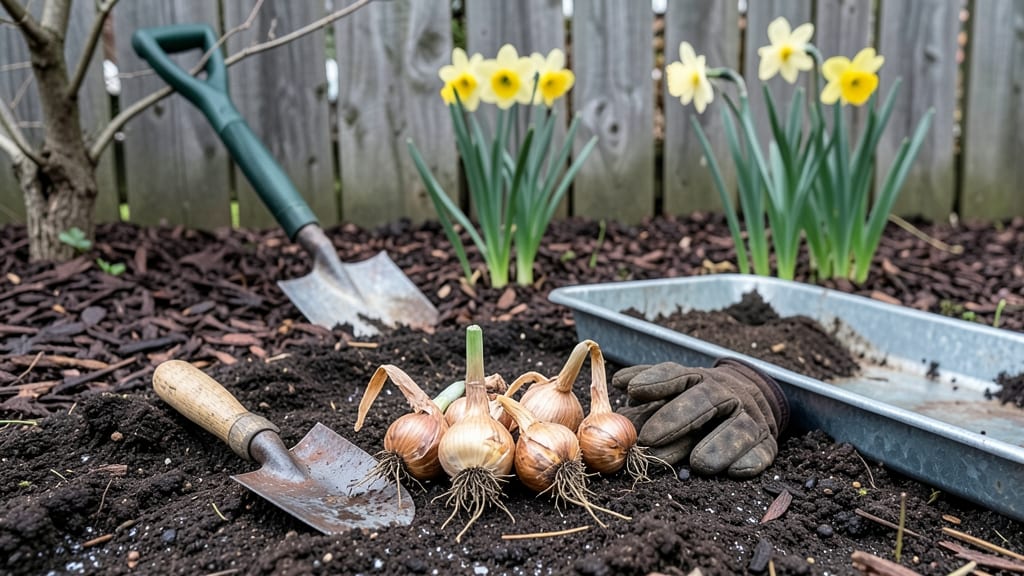
Planting daffodils in Virginia requires timing them just right—aim for October to November when soil temps drop below 60°F and before the first frost.
Virginia gardeners know timing is everything—plant daffodil bulbs too early, and they’ll rot in soggy soil; too late, and they’ll miss the chill they need to bloom. Mastering the perfect planting window ensures vibrant spring displays with zero frost surprises.
In Virginia’s 6a–8a zones, daffodils need 6–8 weeks of cold dormancy to set strong roots. That means digging bulbs into well-draining soil by late October in Zone 6a or mid-November in Zone 7b.
Below, I’ll break down how to read your local frost dates, adjust for Piedmont vs. Tidewater microclimates, and pick the best chill-hardy varieties for your yard.
Virginia’s ideal daffodil planting months by hardiness Zone
Virginia’s USDA hardiness zones 5–7 create a perfect window for fall-planted daffodils, but timing varies dramatically between the mountainous west and coastal east. The key? Planting when soil temps drop below 60°F (15°C) but before the ground freezes—typically 6–8 weeks before frost.
This ensures bulbs establish roots while still benefiting from winter’s chill hours, which trigger spring blooms.
Daffodils need 100–150 chill hours (temperatures between 32–45°F (0–7°C)) to break dormancy. Virginia’s Zone 5 (e.g., Shenandoah Valley) gets these chill hours earlier than Zone 7 (e.g., Richmond or Norfolk), so your planting window shifts 2–3 weeks later as you move south.
Miss this window, and you risk premature sprouting or bulbs rotting in soggy soil.
Here’s the zone-by-zone breakdown of Virginia’s ideal planting months, including soil temperature thresholds and chill-hour benchmarks to maximize bloom success:
In Zone 5, I plant my daffodils by October 1 to ensure they root before the first frost, which typically hits November 15 in the Shenandoah Valley. Use a soil thermometer to confirm temps are consistently below 60°F (15°C)—this is your green light to plant.
In Zone 7, like Richmond, I wait until October 15 to avoid the soggy, warm soils of early fall, which can cause rot.
Pro tip: Mulch after planting with 2–3 inches of straw to insulate bulbs and regulate soil temps. This is especially critical in Zone 6, where fluctuating temps can trick bulbs into sprouting too early.
A thick mulch layer mimics the natural winter insulation daffodils crave, ensuring they stay dormant until spring.
If you’re in Zone 7b or warmer, like the Tidewater region, consider late-November planting as a last resort. However, this risks premature sprouting if winter isn’t cold enough.
To hedge your bets, choose chill-hardy varieties like ‘Ice Follies’ or ‘Tête-à-Tête’, which tolerate shorter chill periods better than standard types.
One common mistake? Planting in September when soils are still warm. Daffodil bulbs rot at 70°F (21°C) or above, so always wait until soil temps drop below 60°F (15°C).
Use the finger test: Stick your finger 6 inches deep—if it feels cooler than your wrist, it’s time to plant.
For container-grown daffodils, adjust your timing by 2–3 weeks earlier since pots cool faster. Place containers in a shady spot during the day to slow warming and move them to full sun once planted. This mimics the gradual temperature drop in-ground bulbs experience naturally.
Remember: Spring planting is a gamble in Virginia. While it’s possible, daffodils planted in February or March often bloom 2–3 weeks later and produce fewer flowers because they
How to time daffodil planting for Virginia’s frost patterns
Virginia’s frost patterns can be tricky—especially when planting daffodil bulbs that need cold dormancy to bloom. The Piedmont and Tidewater regions experience frost at different times, so one planting window doesn’t fit all.
To avoid premature sprouting or frozen bulbs, I’ll show you how to calculate your local frost dates and adjust planting times accordingly.
First, check your USDA hardiness zone—Virginia ranges from Zone 6a (northern mountains) to Zone 8a (Tidewater). In Zone 6a, the first frost often hits by October 15, while Zone 7b (common in Richmond) may not see frost until November 15.
Planting too early in Zone 8a (eastern VA) risks soggy soil, while late planting in Zone 6a may starve bulbs of chill hours.
Here’s the golden rule: plant 6-8 weeks before the ground freezes. For most of Virginia, that means mid-October to early November. But don’t guess—use a soil thermometer to confirm your soil is between 40°F and 50°F at 4-inch depth.
This temperature range mimics natural winter chill without risking rot.
⚠️ Warning: Avoid These Planting Mistakes
- Planting too early in wet soil → bulb rot (common in Tidewater rains).
- Planting too late in Zone 6a → bulbs miss chill hours needed to bloom.
- Ignoring microclimates (e.g., south-facing slopes warm faster than shady spots).
Use the Almanac’s Frost Calculator (free online) to input your ZIP code for precise dates. Adjust 1-2 weeks earlier for shady gardens or later for sunny, sheltered spots.
For Piedmont gardeners (e.g., Charlottesville), aim for late October planting. The soil stays workable longer here, and the first frost typically arrives by November 10. In contrast, Tidewater (Norfolk/Virginia Beach) has milder winters—plant by early November to avoid soggy ground from winter rains.
Pro tip: Mark your calendar for the average first frost in your area, then count backward. If you’re unsure, dig a soil thermometer into the ground where you’ll plant.
Once temps drop below 40°F consistently, it’s time to cover bulbs with mulch (2-3 inches of straw or leaves) to insulate them through winter.
Remember, daffodils thrive on patience. The chill they experience during dormancy determines how vibrant their spring blooms will be. By syncing your planting with Virginia’s frost patterns, you’ll ensure zero surprises and a garden bursting with color by March. Happy planting!